
While most are just getting started, Ancestry is already years in. The question was what to build next.
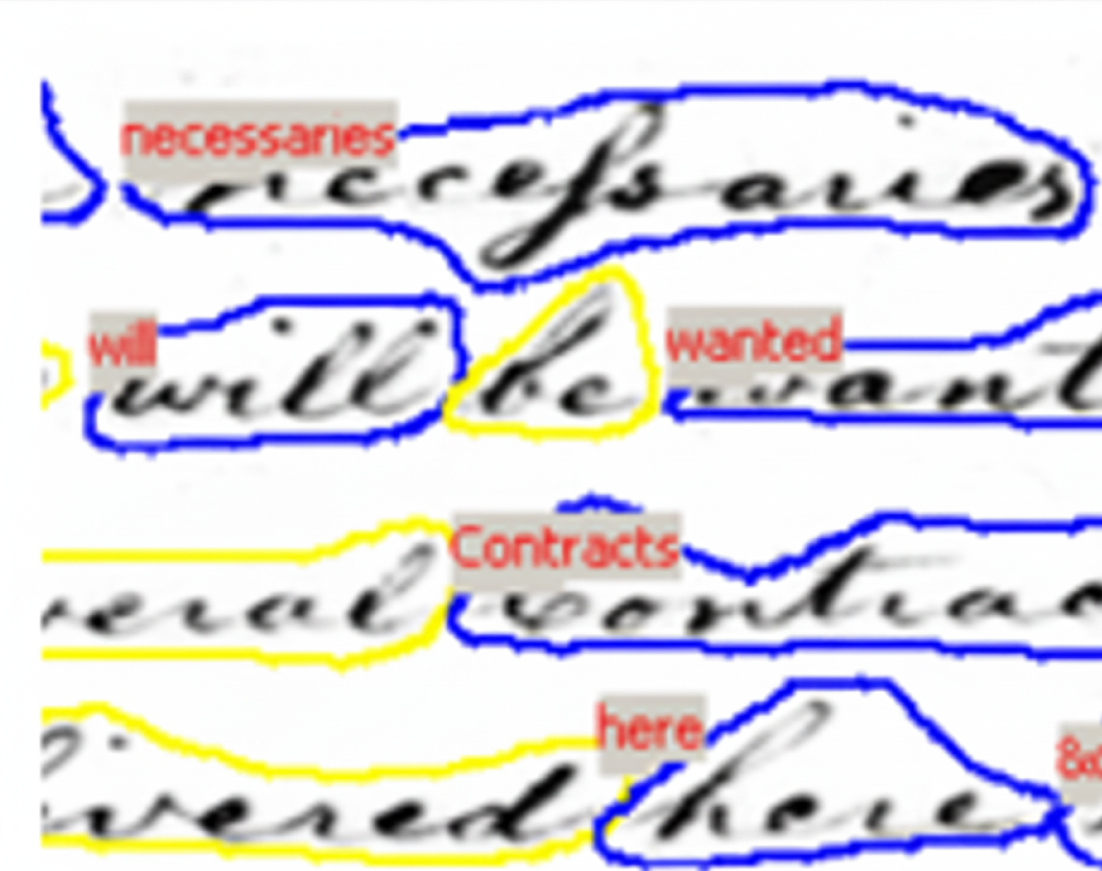
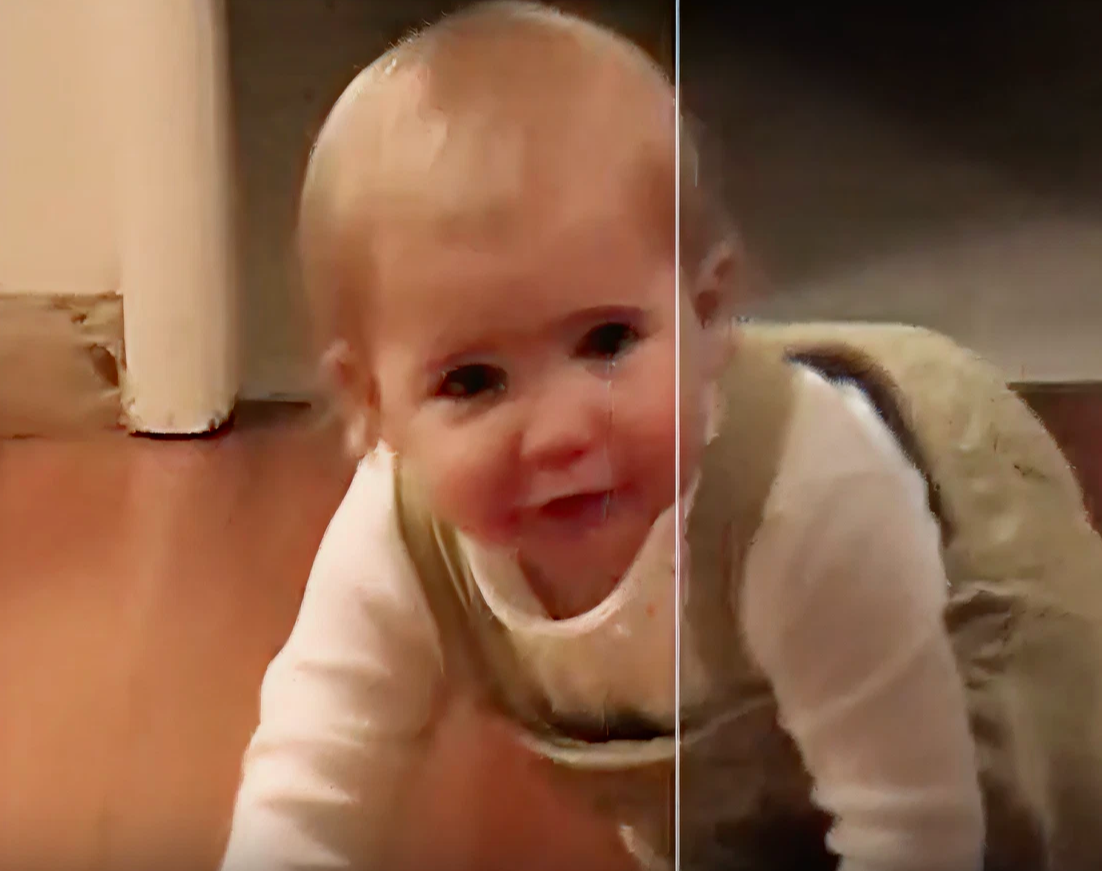
Ancestry had spent years quietly building one of the most sophisticated AI capabilities in the consumer space — OCR and handwriting recognition unlocking billions of previously unreadable records, neural photo restoration giving old images a second life, native app transcription putting archival discovery in people’s pockets. The infrastructure was there. What was missing was a product surface worthy of it.
As Head of Design and Domain Lead for the AI Incubation team, I led the strategy, design, content, and execution of a program designed to answer a single question: what does an AI-native Ancestry experience actually look like?
The problem worth solving
Family history sparks curiosity. The tools built to explore it often kill it. New users were expected to search before they knew what to search for, interpret records without context, and piece together stories without support. Too many walked away. Their questions went unanswered. Their family’s story stayed locked in data — and they left believing that family history just wasn’t for them.
The incubation thesis was direct: if users could ask natural language questions about their family history, AI could reduce friction, increase emotional resonance, and unlock deeper engagement with nearly a billion archival records. We weren’t building a better search box. We were testing whether AI could shift the experience from search-driven exploration to conversation-driven discovery.
StroryStream
Family storytelling hadn’t meaningfully evolved in decades, even as the technology around it changed completely. Families were losing stories, not because they didn’t care, but because the tools weren’t built for the job. Everyday moments, handwritten recipes, family artifacts, the smaller things that don’t make it into reunion photos, all of it slipping away without a place to land.
What research made clear was that people didn’t just want to capture memories. They wanted to craft them. Context and intention can turn an ordinary moment into something worth passing down. StoryStream was the answer: a platform for real family stories, built around tools to capture, craft, and share across a diverse range of storytelling styles. Families could collaborate, contribute, keep things private or open them to the world.
The strategic insight underneath it mattered as much as the product itself. Ancestry could shift from relying solely on expensive, finite historical records toward an ever-growing stream of user-generated content, stories people know right now, documented in a way that’s fun, shareable, and open to the whole family. That’s a platform transformation, not a feature addition.
Reunion
The connection problem was just as clear. Families were less connected digitally than they wanted to be, not from lack of trying, but because nothing was built for them. Public social platforms created context collapse: posting a photo of a new baby in the same feed as global news felt wrong. Group chats were scattered across WhatsApp, iMessage, and Facebook. For older family members and younger kids, the whole thing was overwhelming.
Reunion was a private family social network, posts, shared albums, group chat, event planning, designed so that everyone from grandparents to kids could actually use it. More than a communication product, it was built as a gateway into the broader Ancestry ecosystem, creating frequent touchpoints and drawing more of the family into the platform over time. Ancestry’s position as a family-centric brand made it uniquely credible to build this. No other platform carried the same trust.
The Outcome
The work changed how Ancestry thought about its own future. The “me to we” shift, from a product built around one researcher digging through records to a platform where the whole family participates, became the organizing logic for what came next. Concepts from both StoryStream and Reunion influenced the core product roadmap directly, inspiring a range of experiences built into the main product. More fundamentally, the work established that Ancestry’s next audience wasn’t a smaller version of the existing one. It was a different kind of person entirely, someone who cares about family not as a research project but as something living, ongoing, and worth building together.