Publicis Sapient · USC Shoah Foundation
Sixty thousand people gave testimony to fight prejudice and hatred. The work was making sure it reached far enough to matter.
The largest archive of its kind, and still too few people knew it existed.
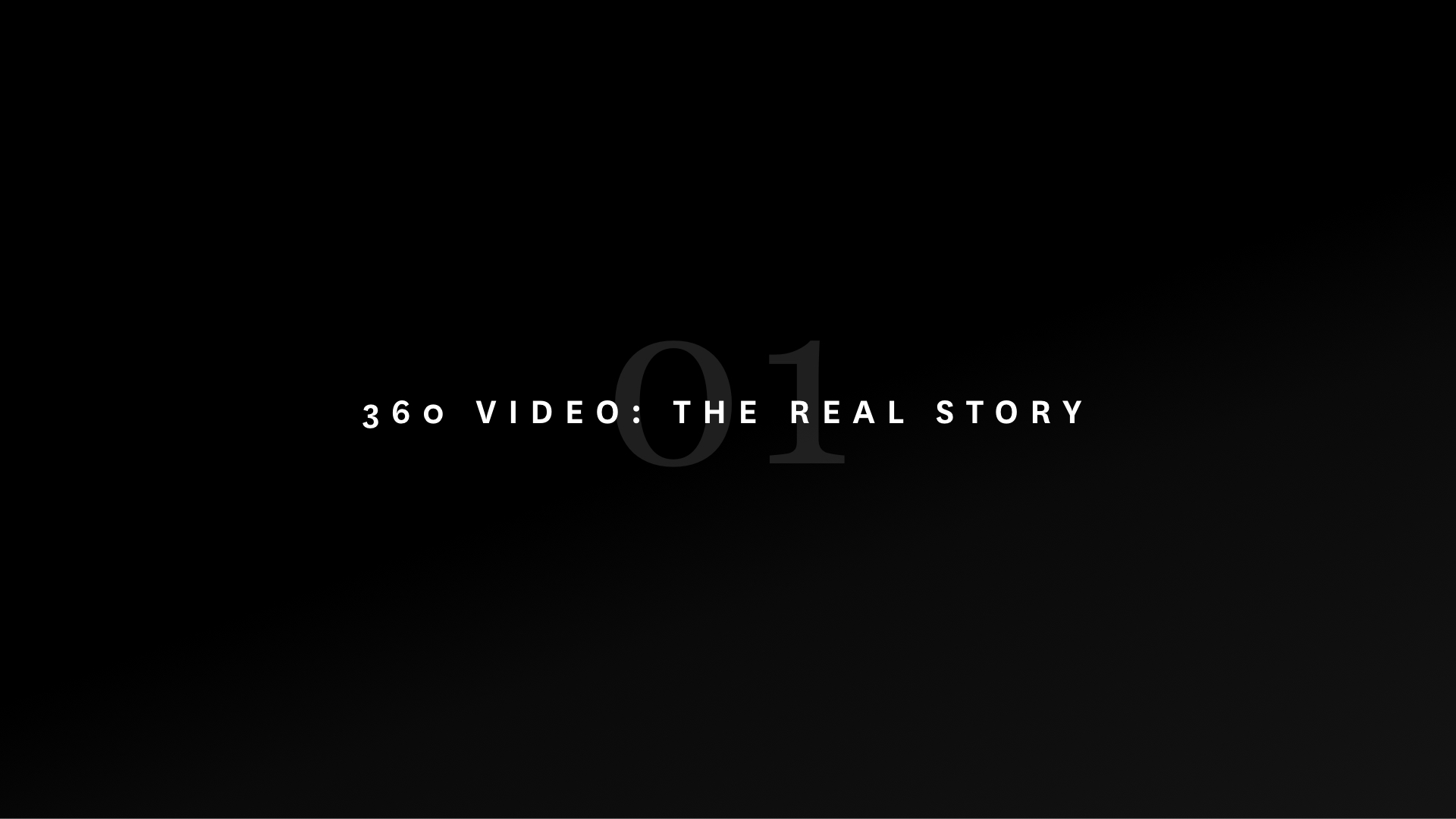
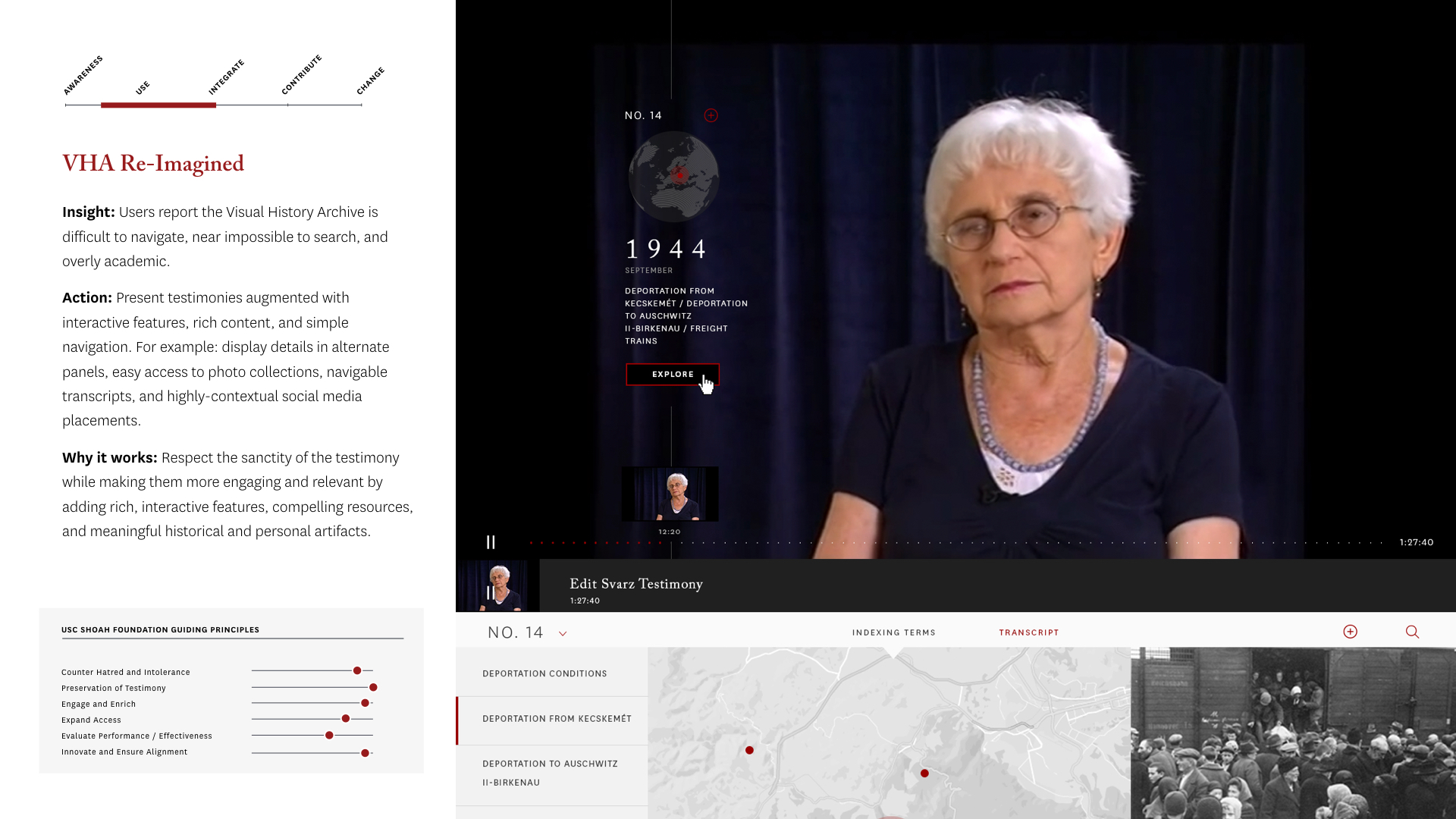
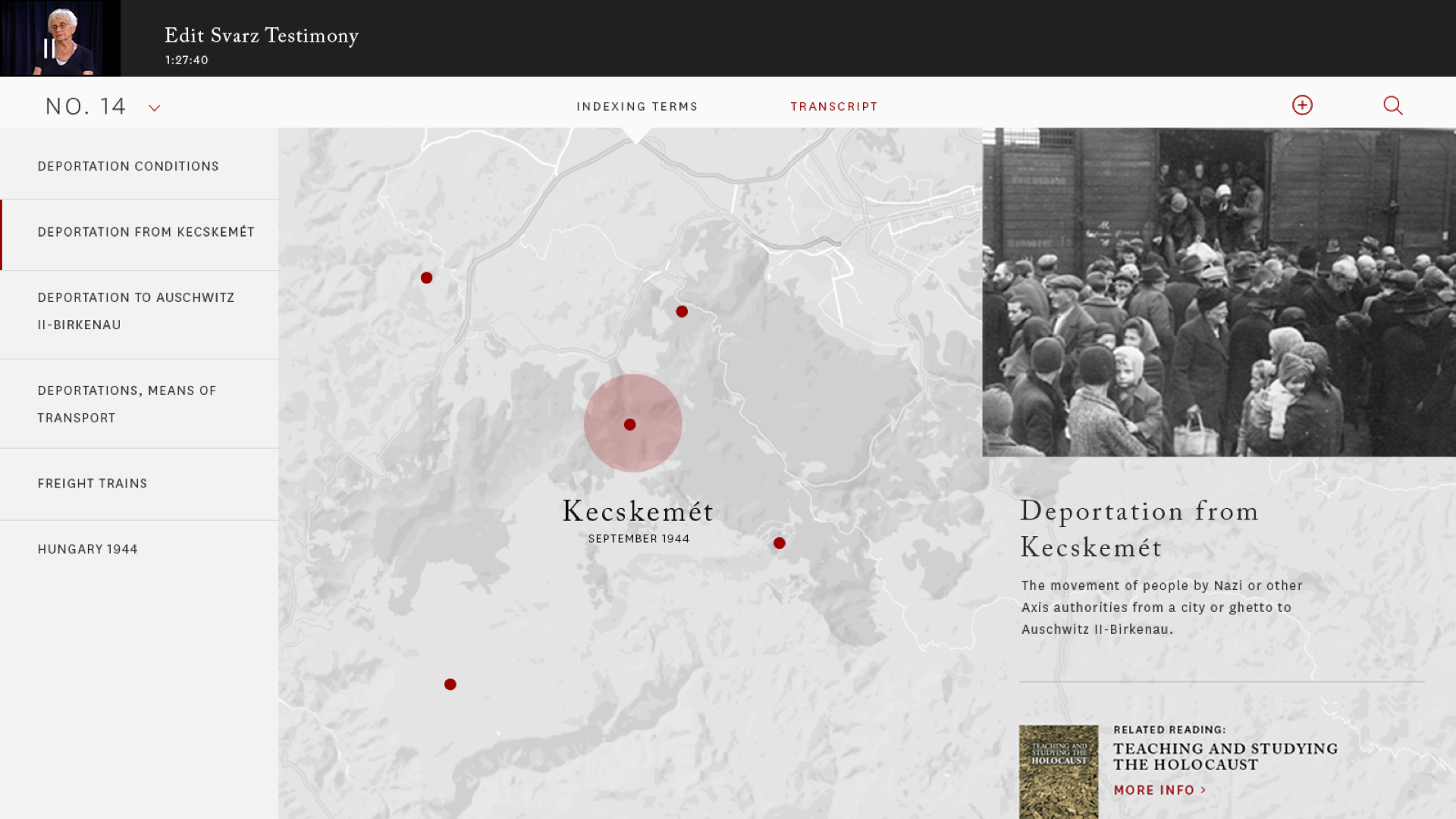
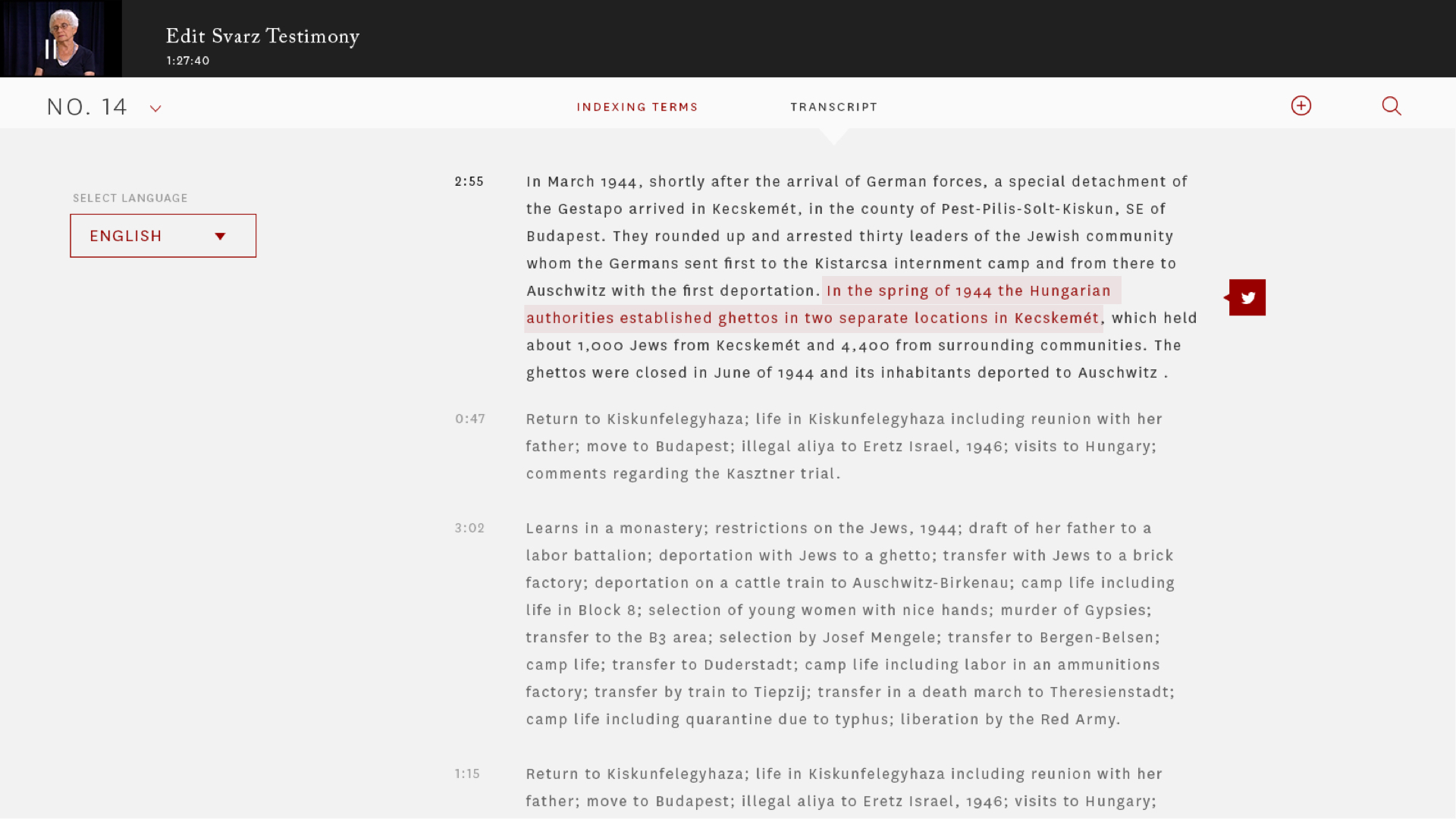
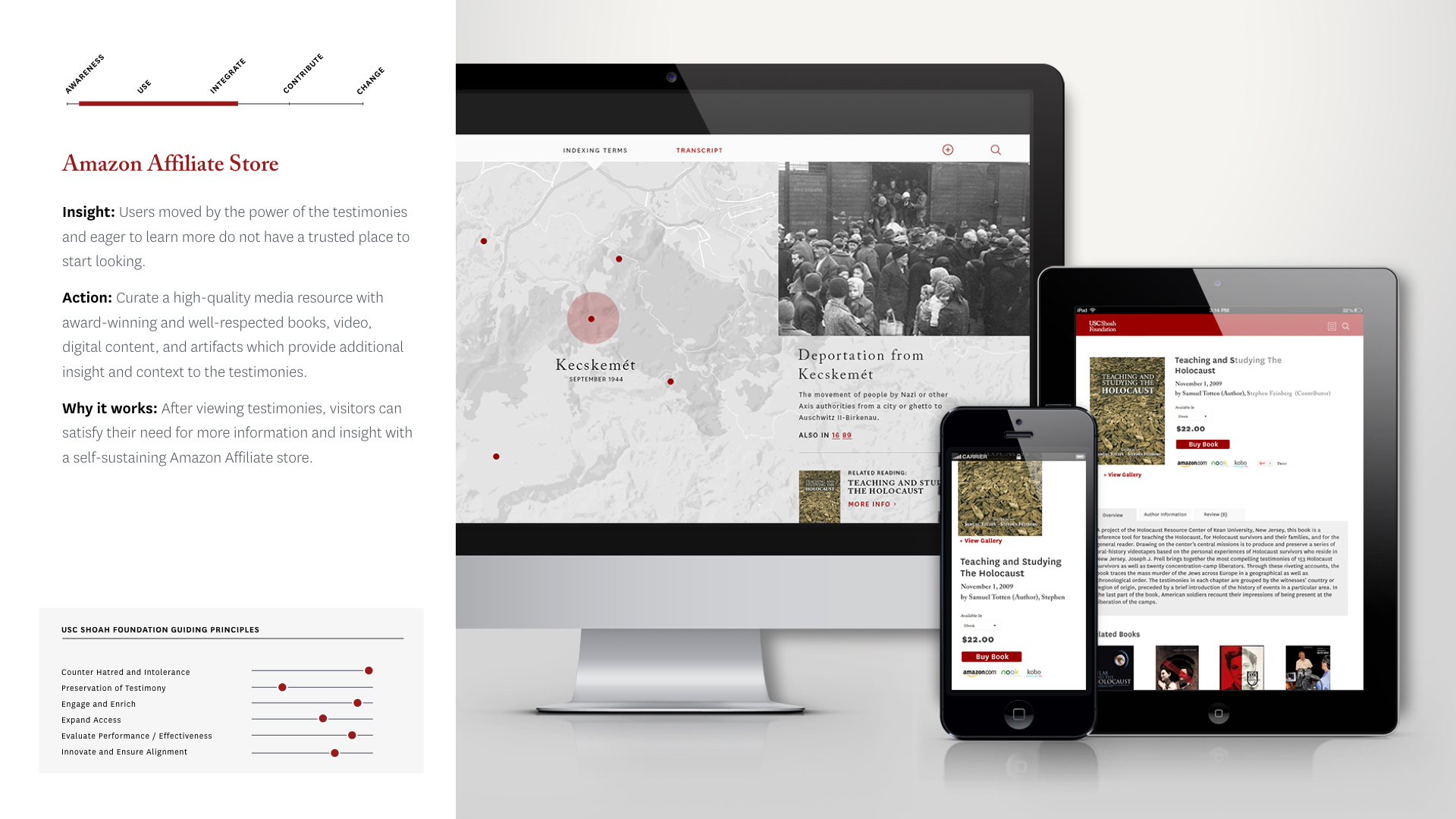
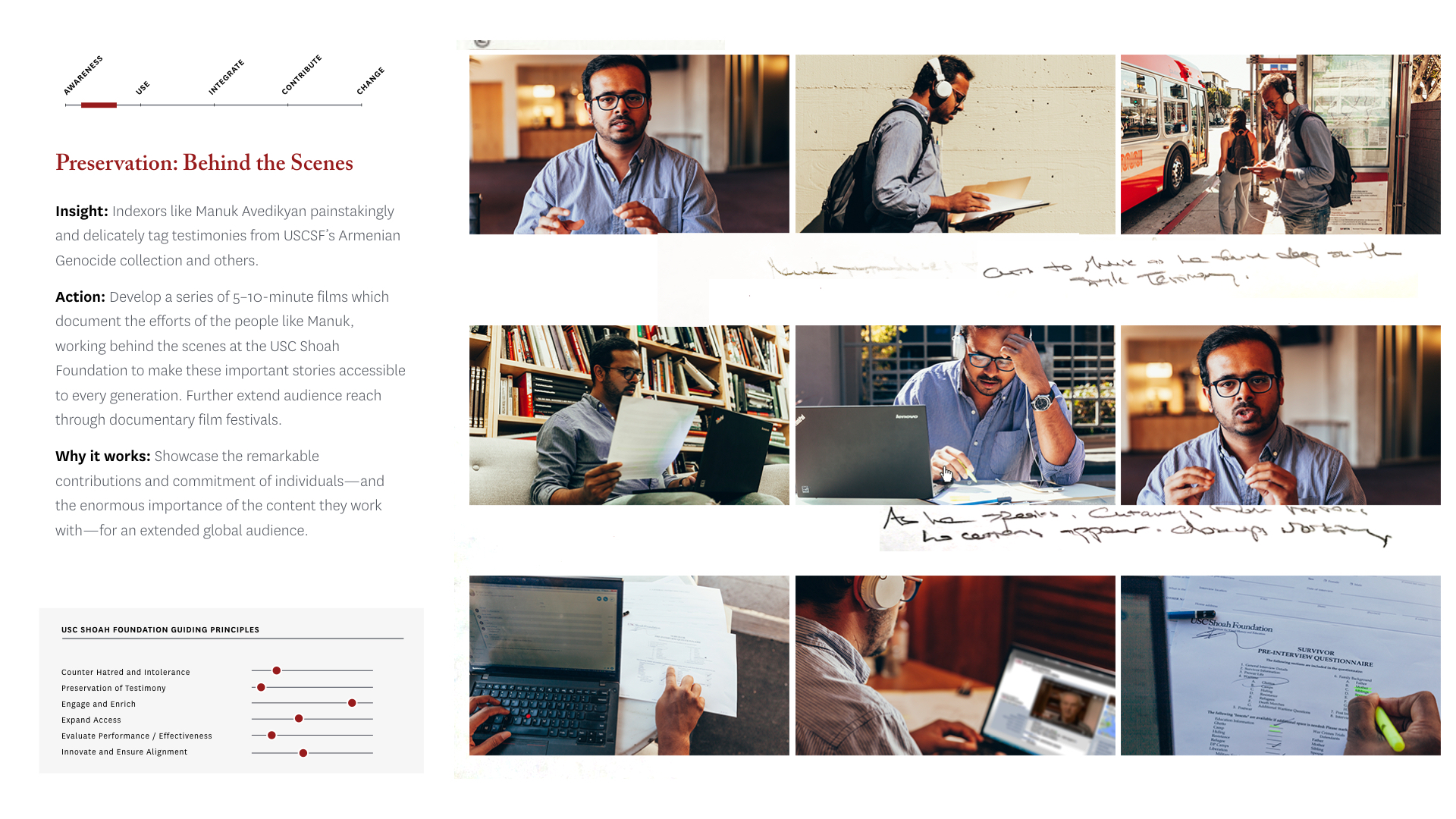
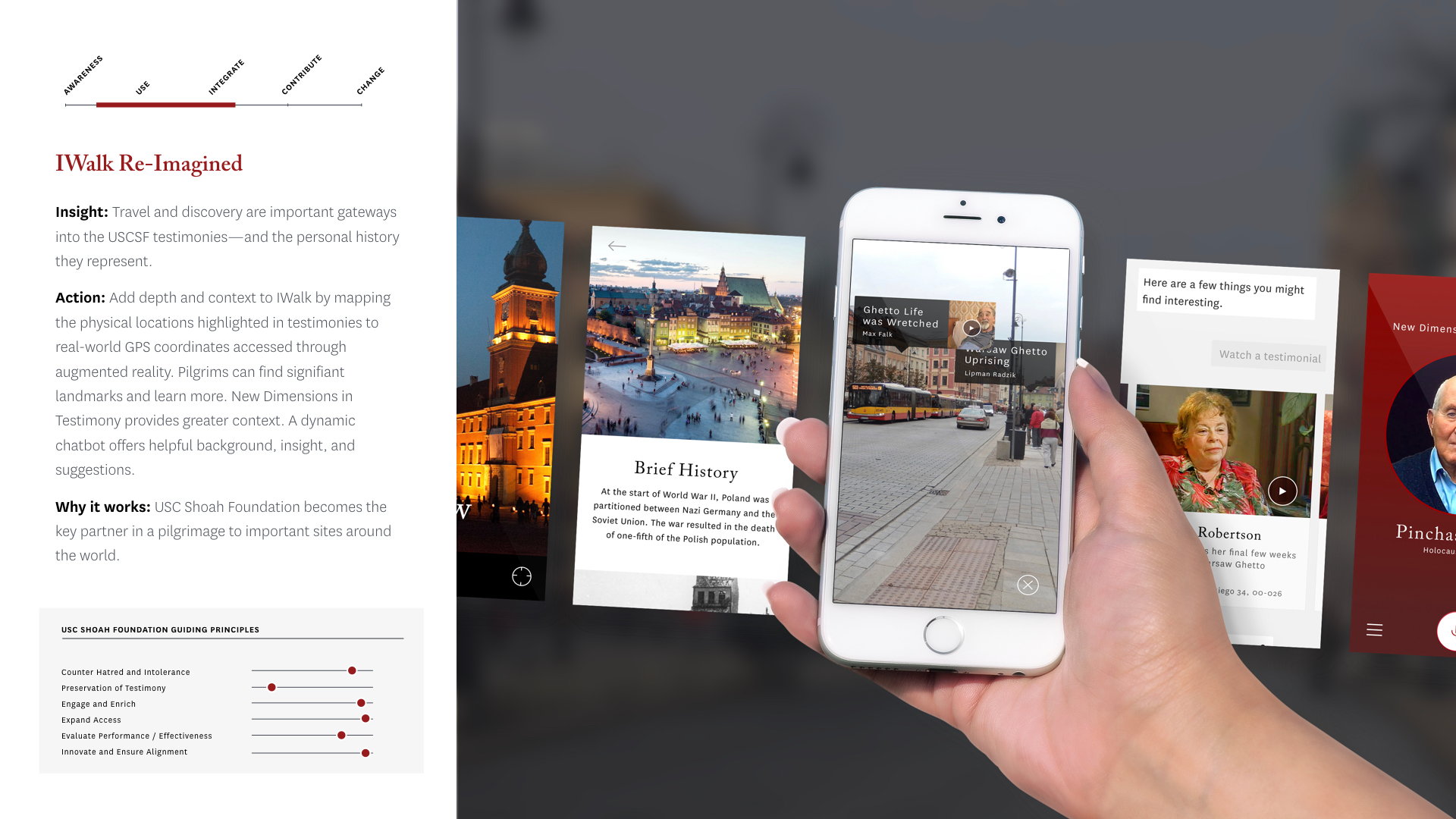
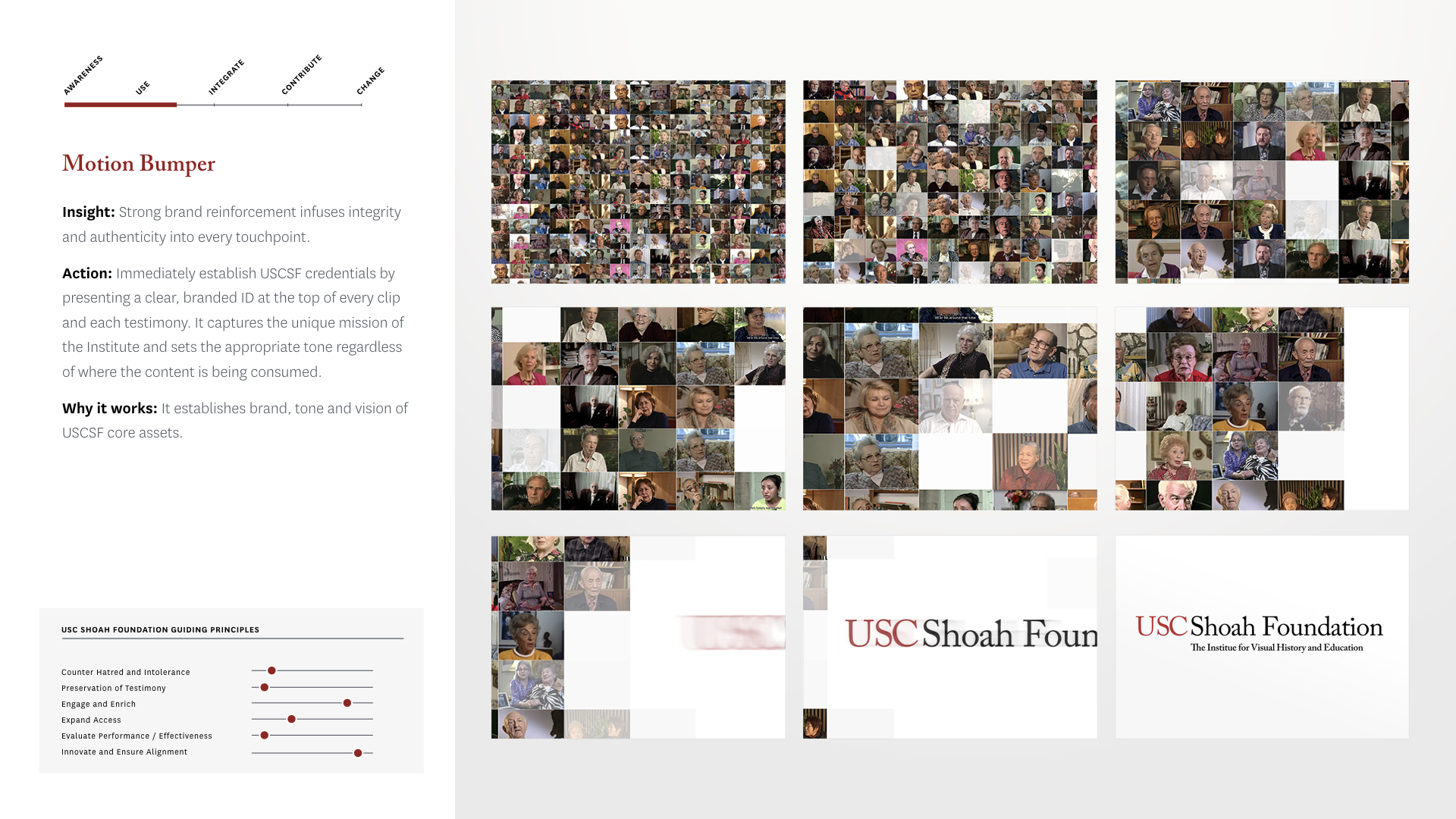
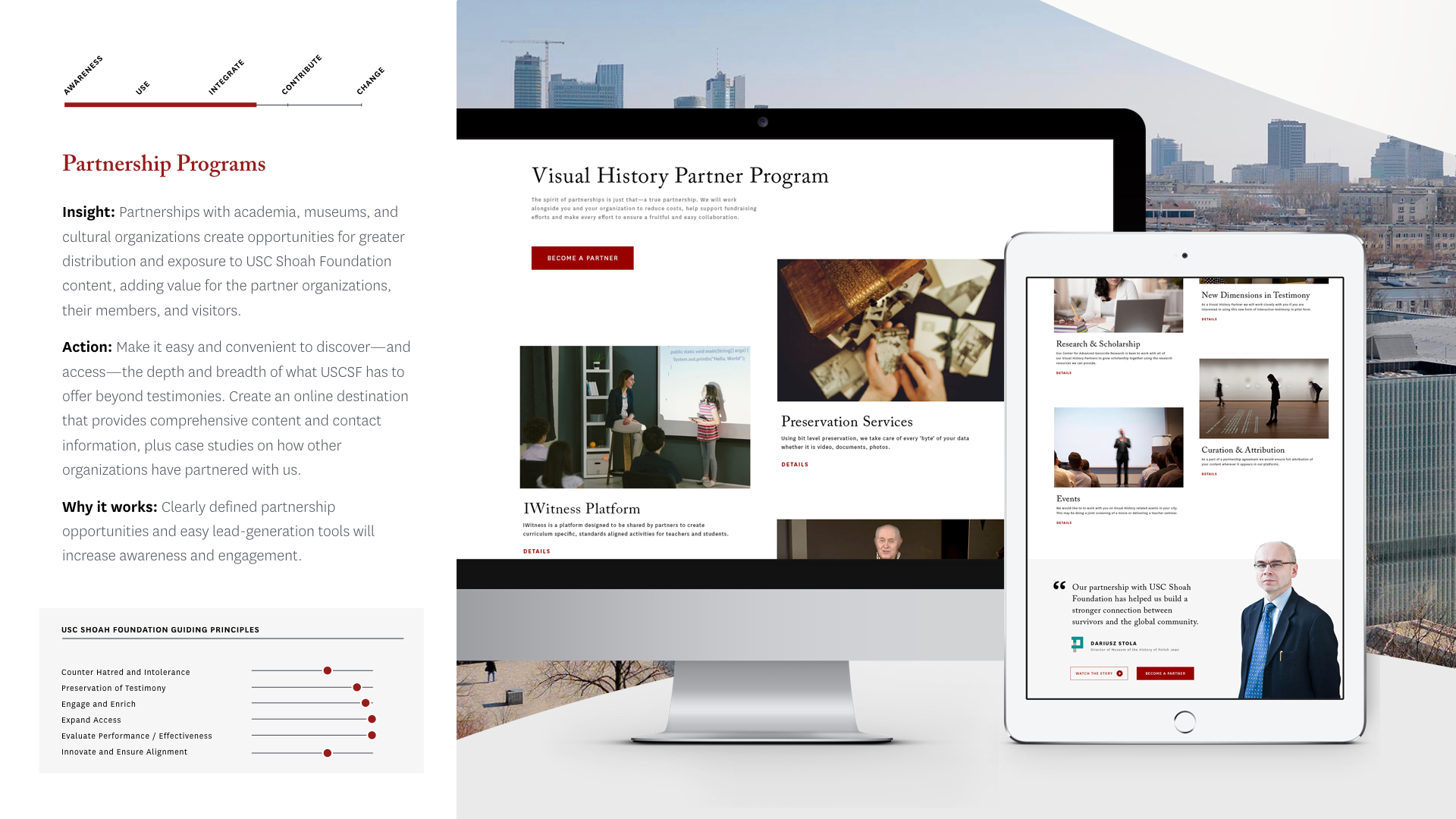
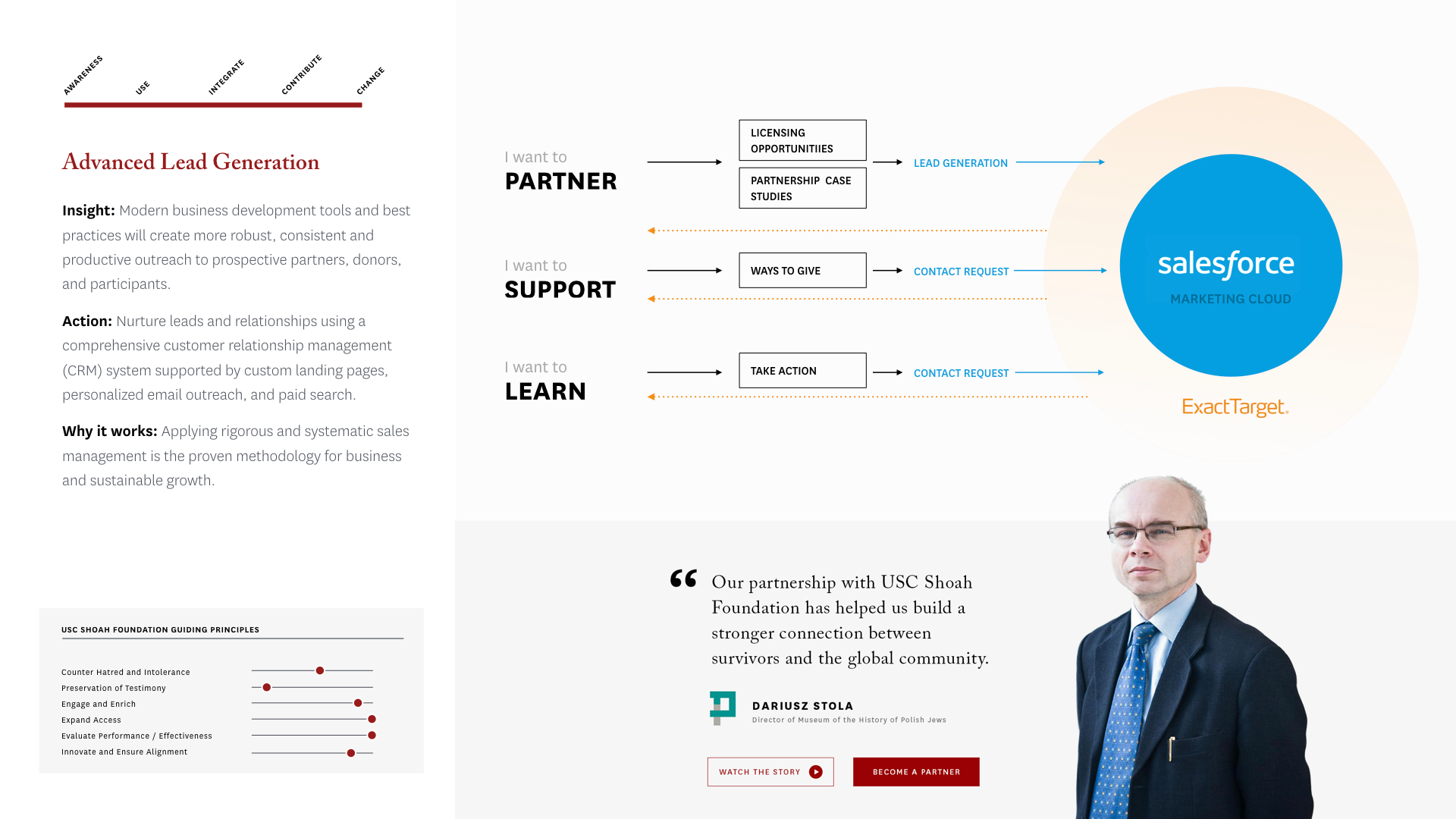
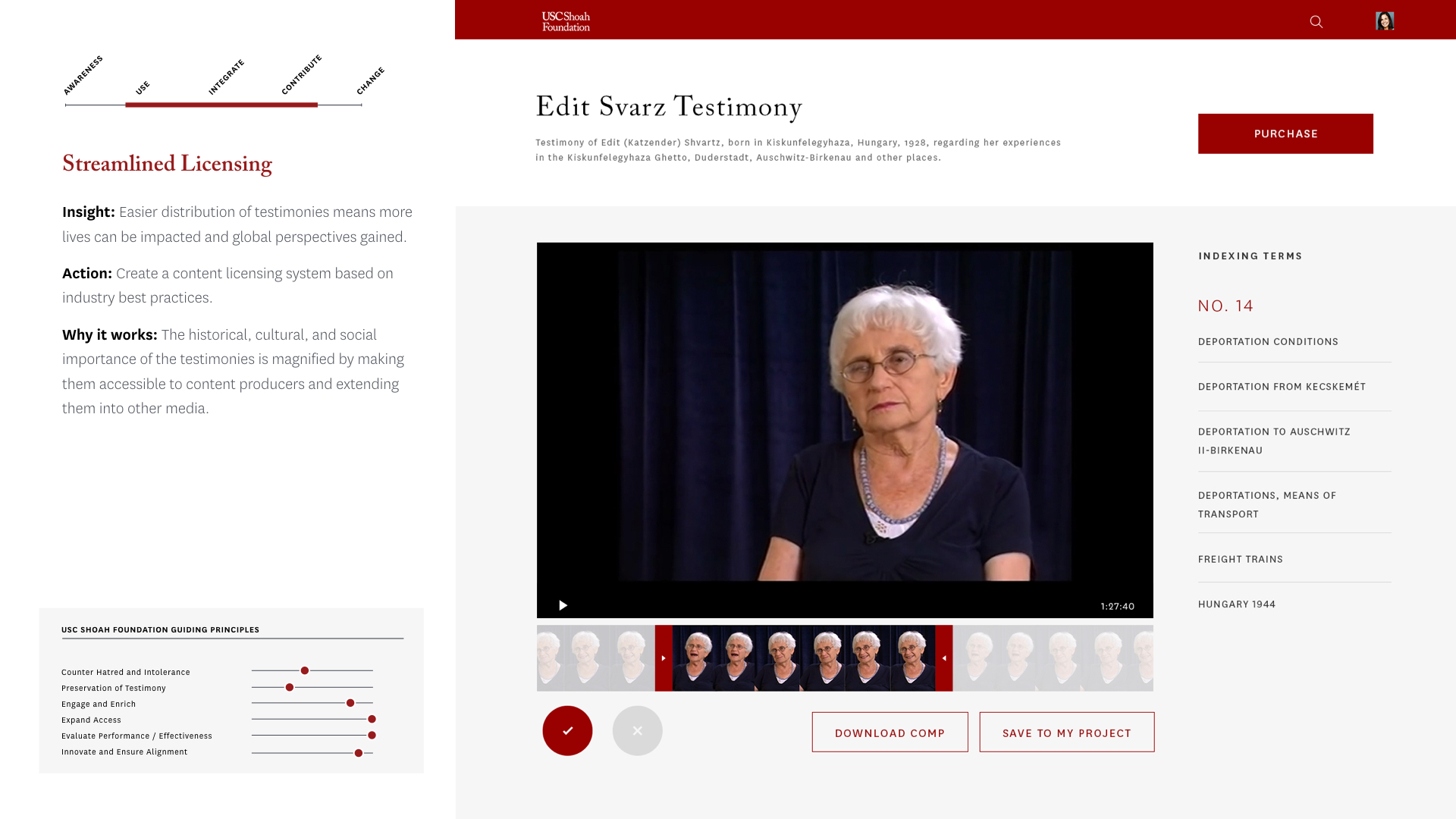
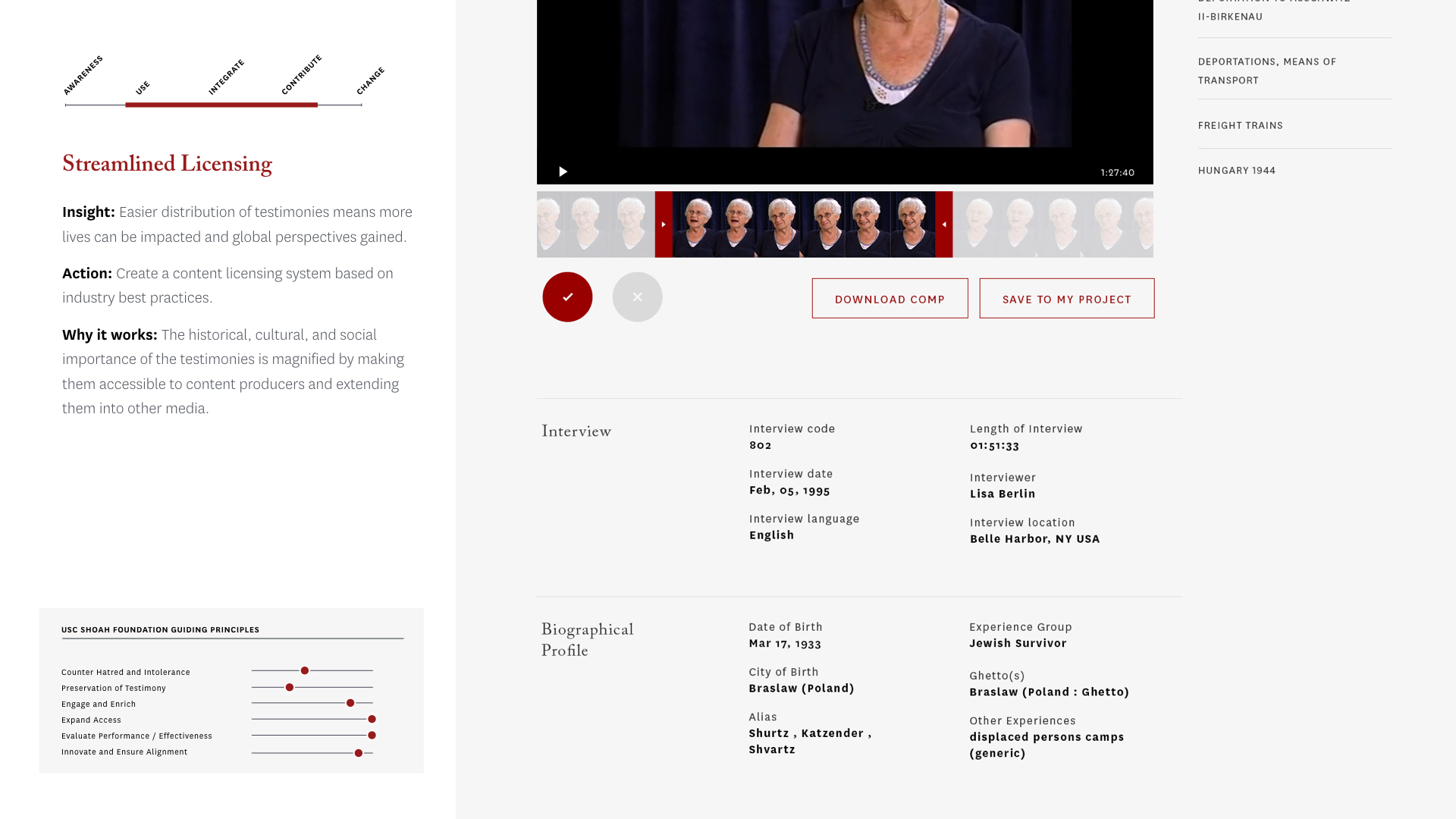
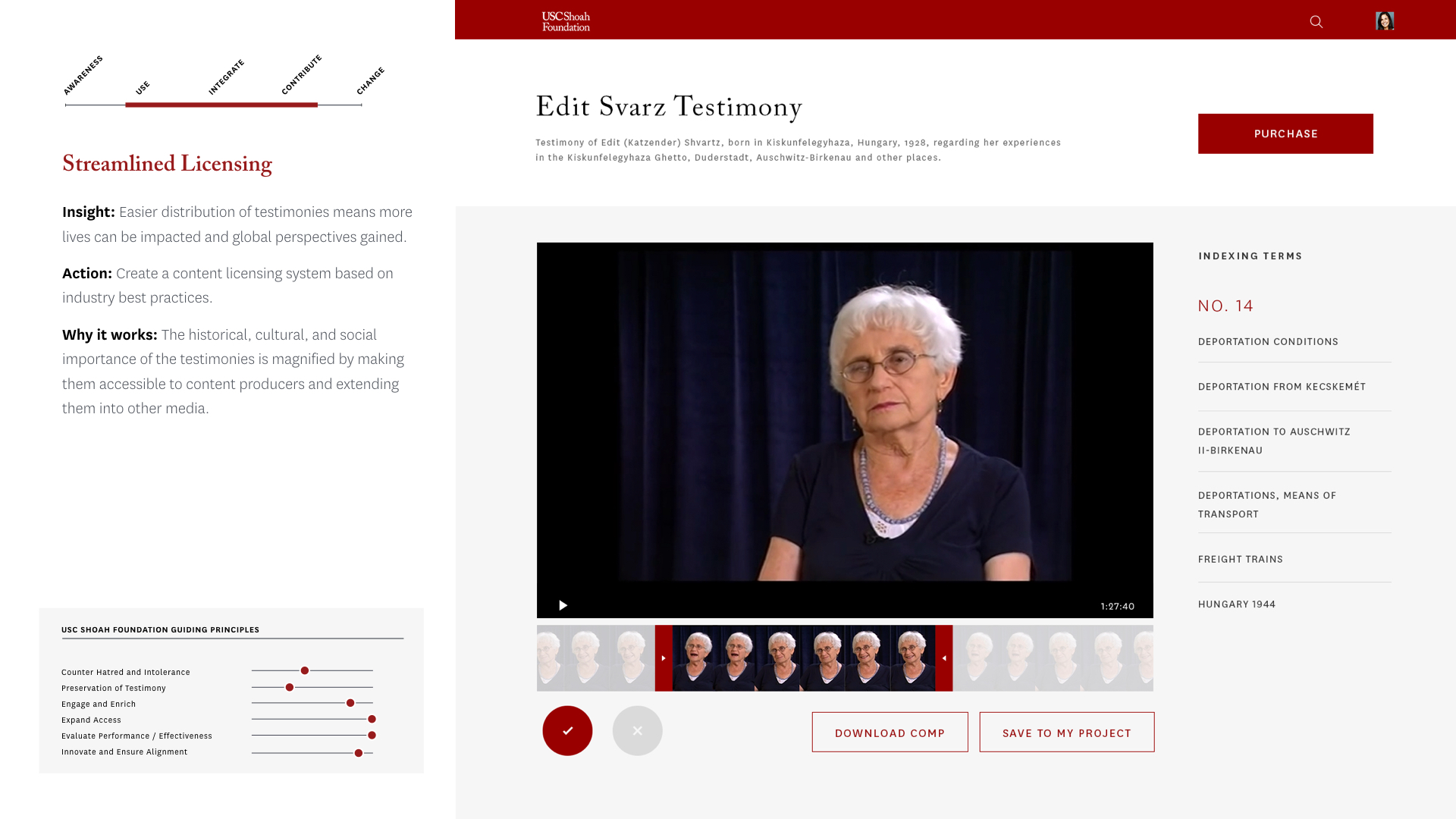
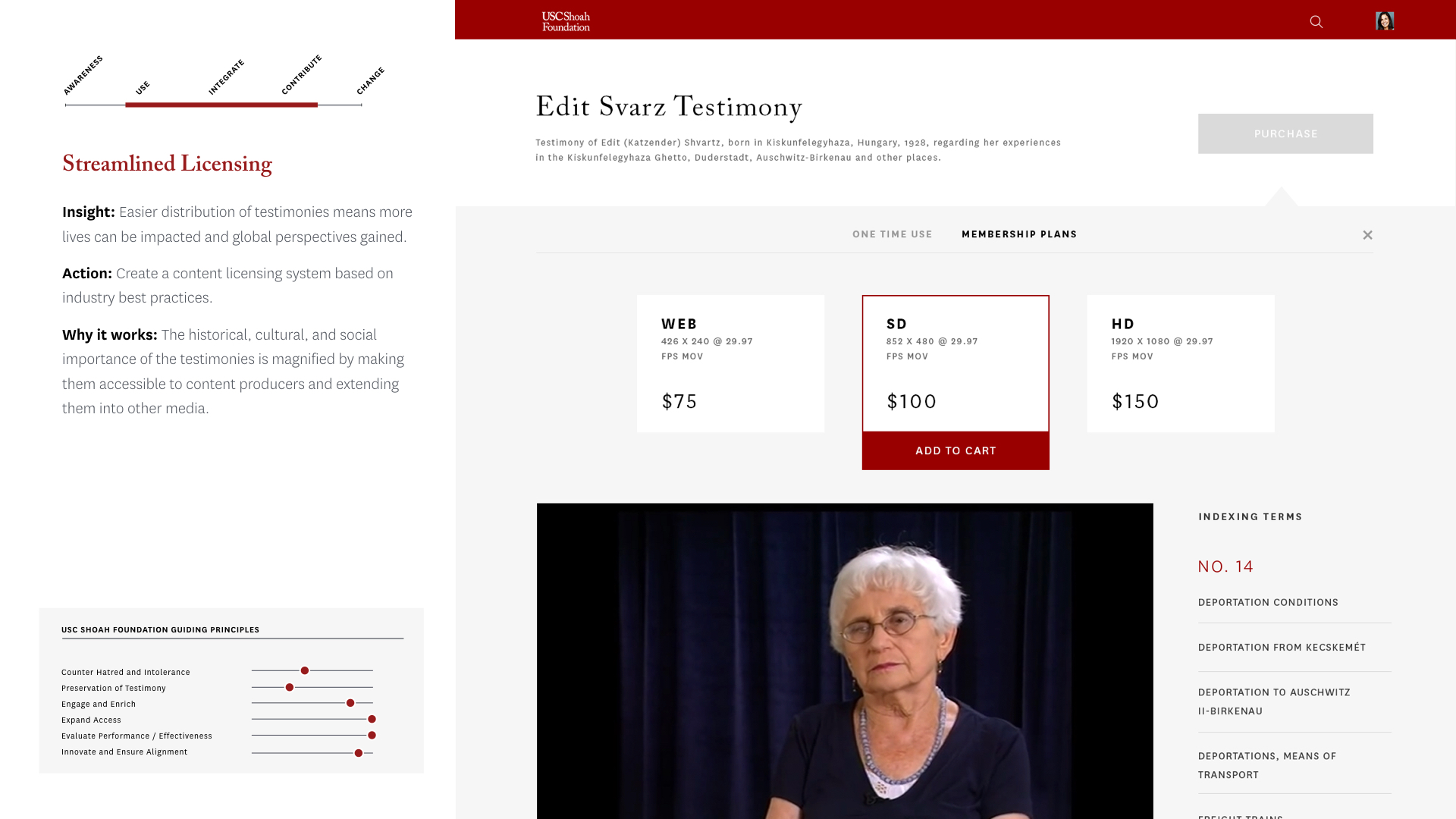
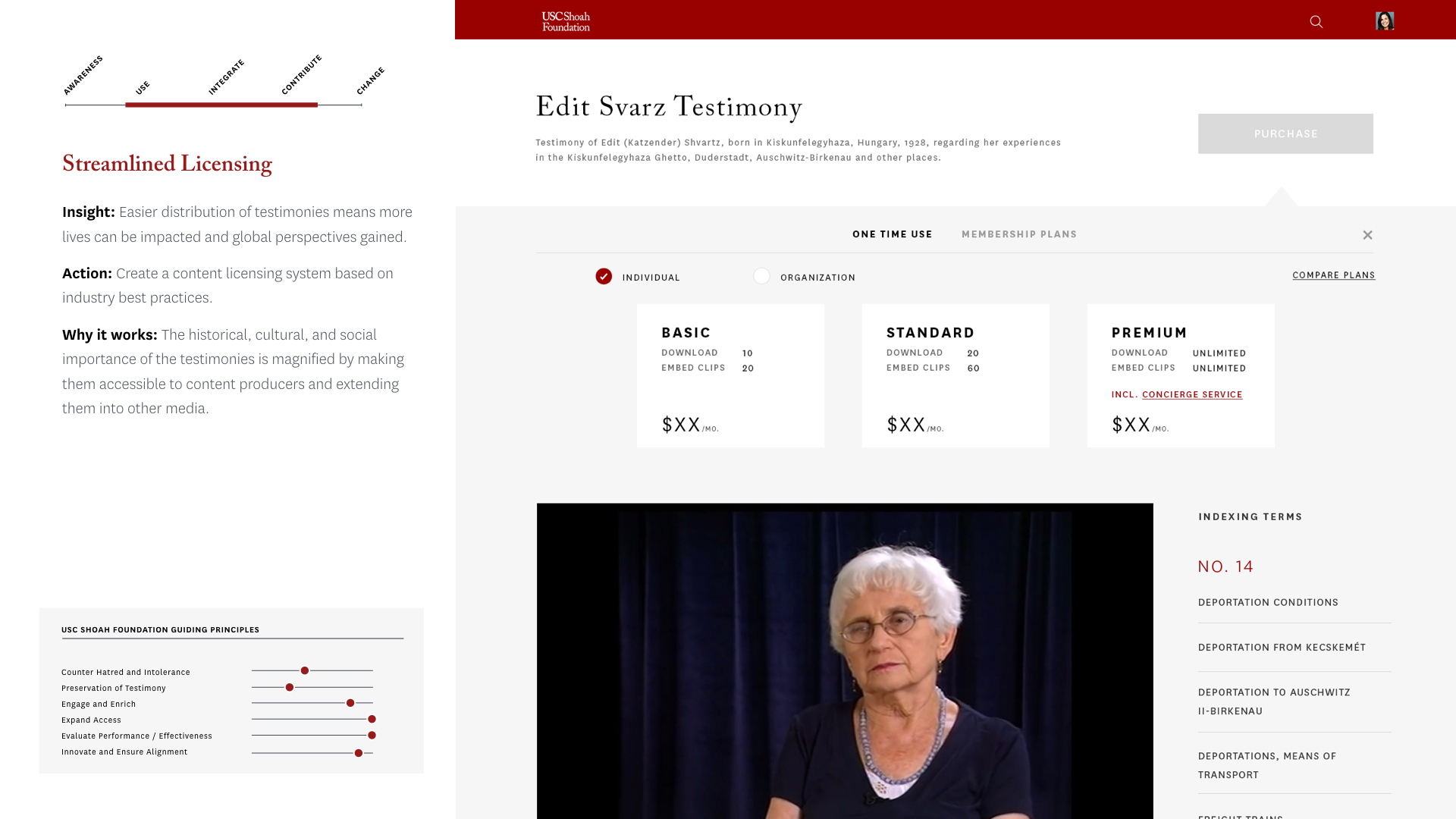
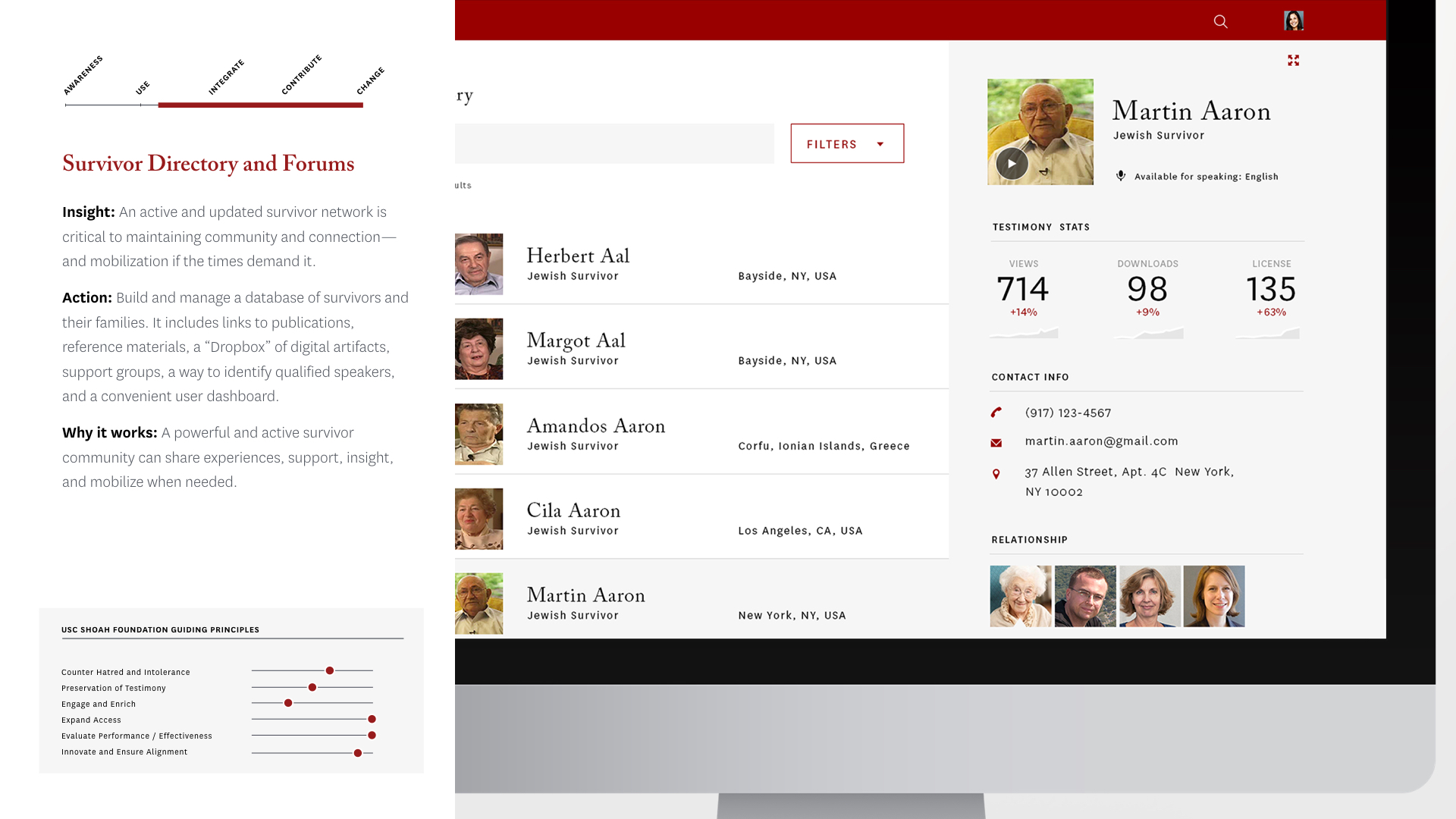
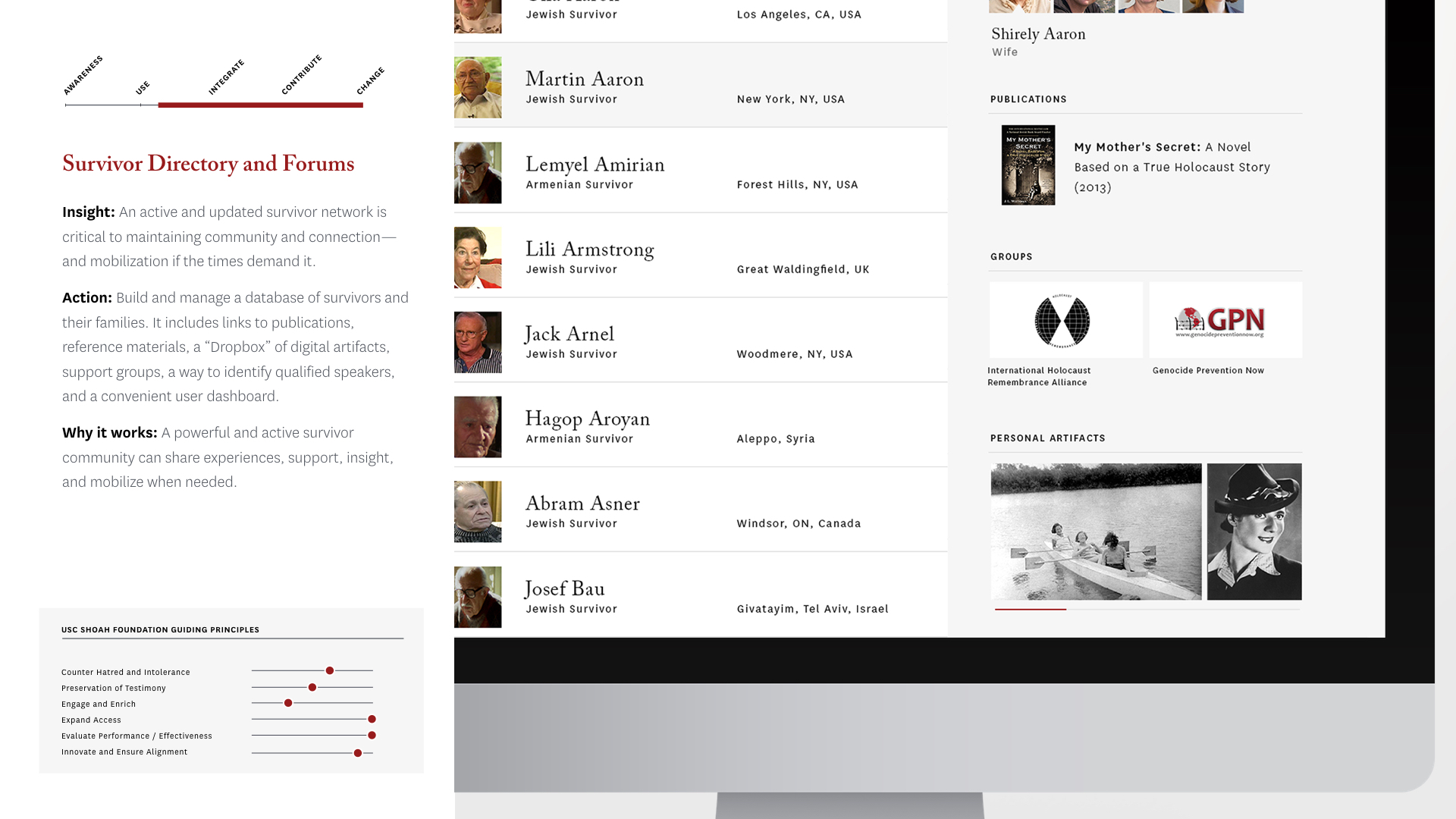
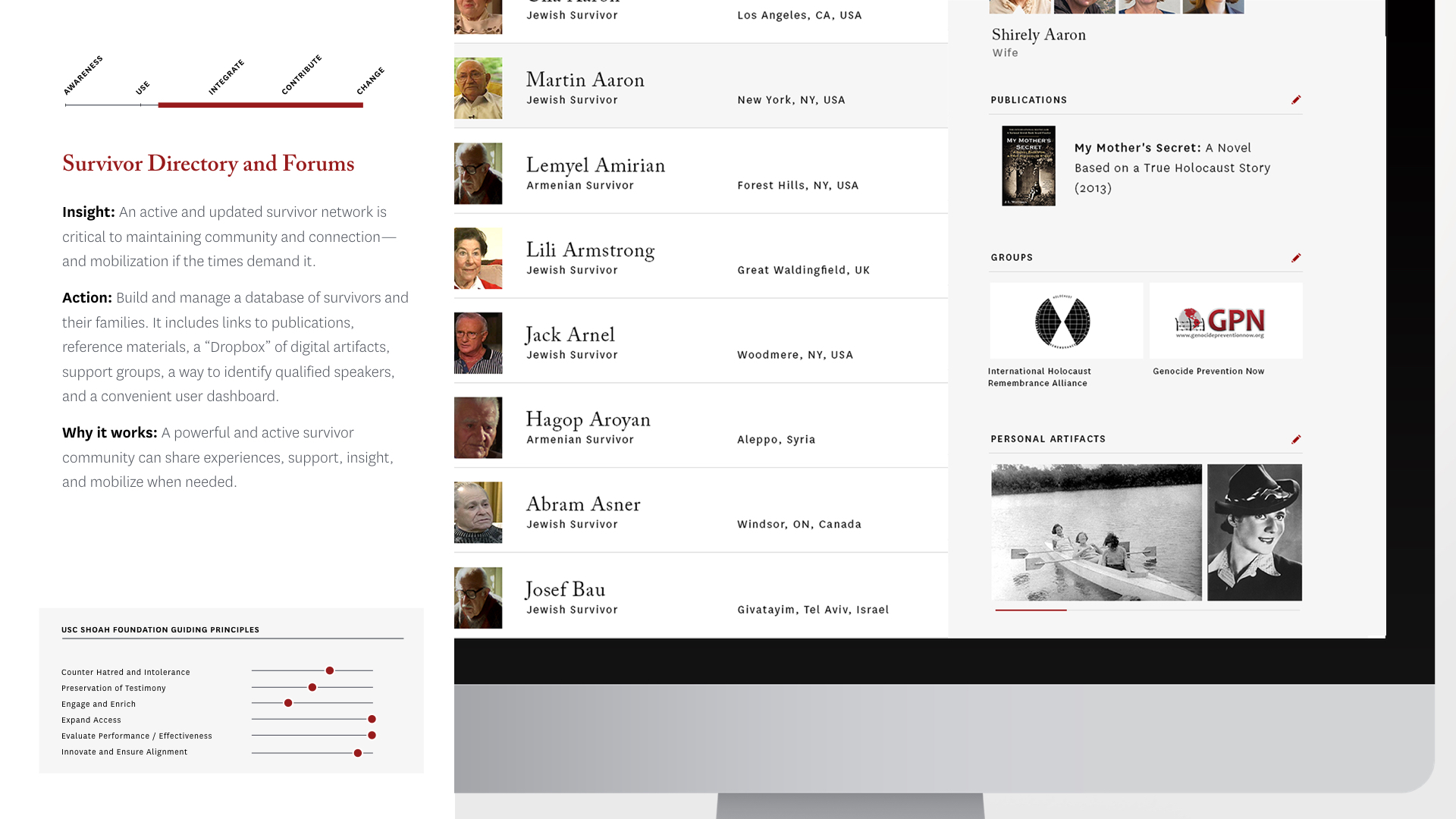
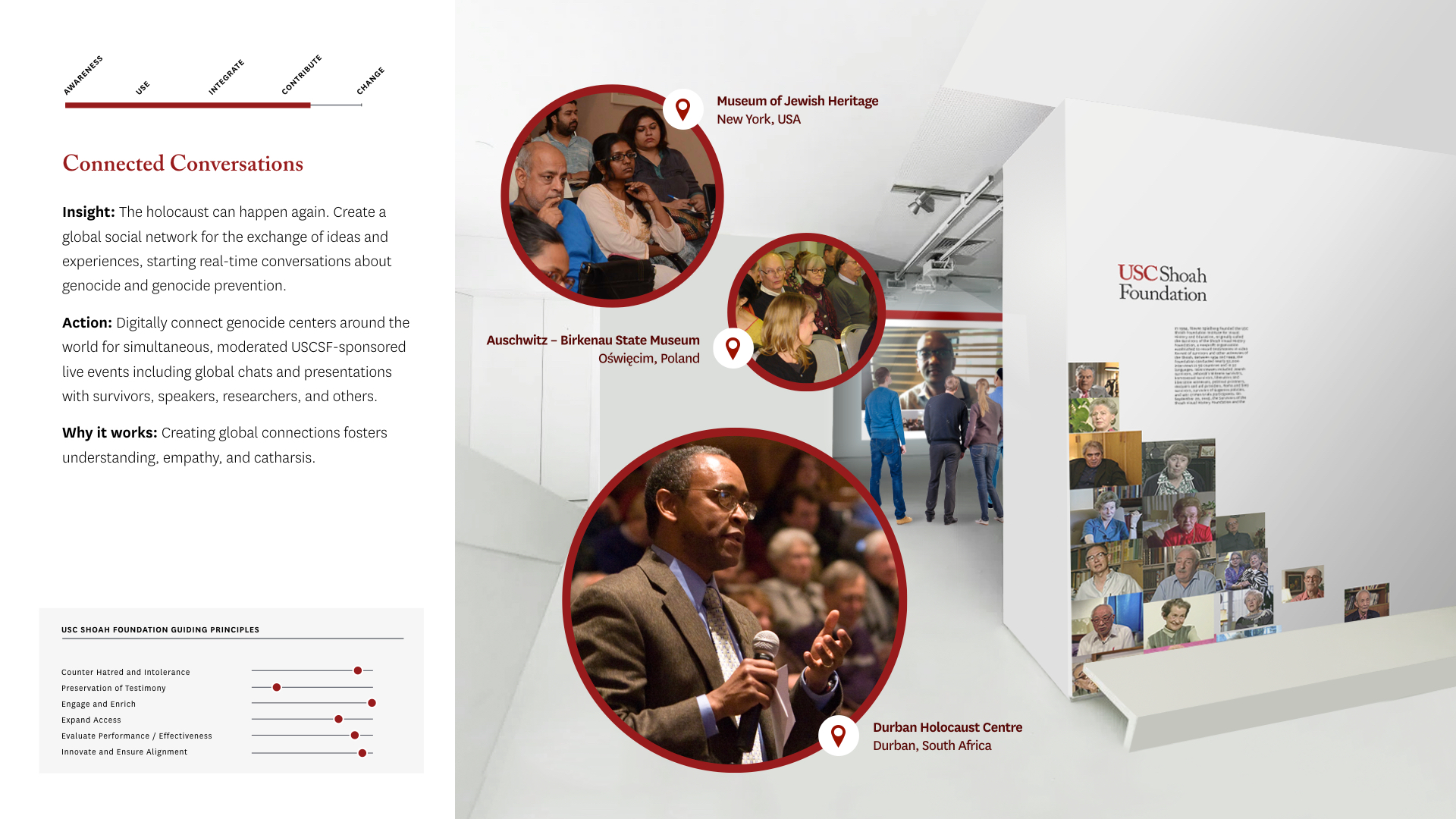
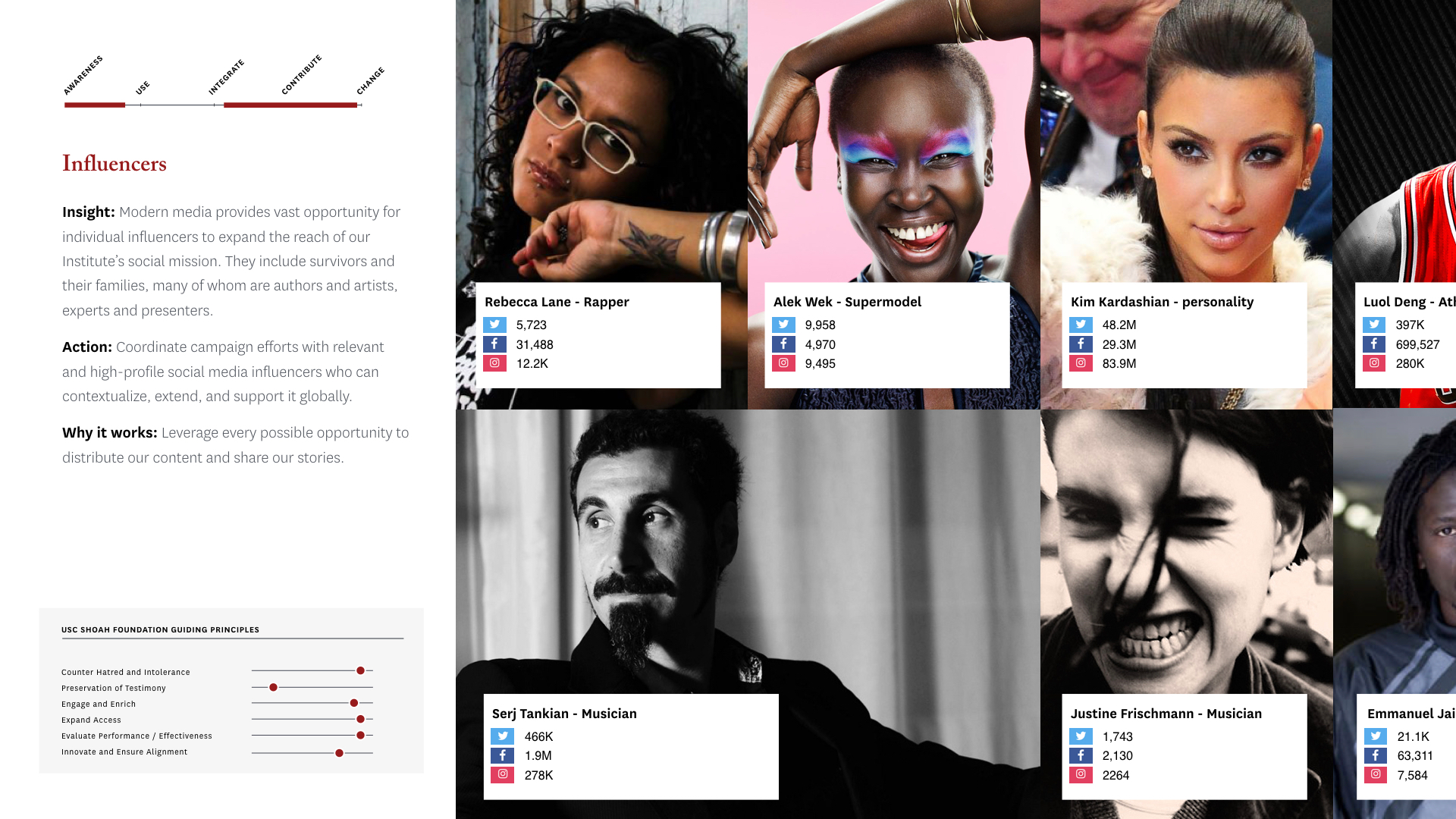
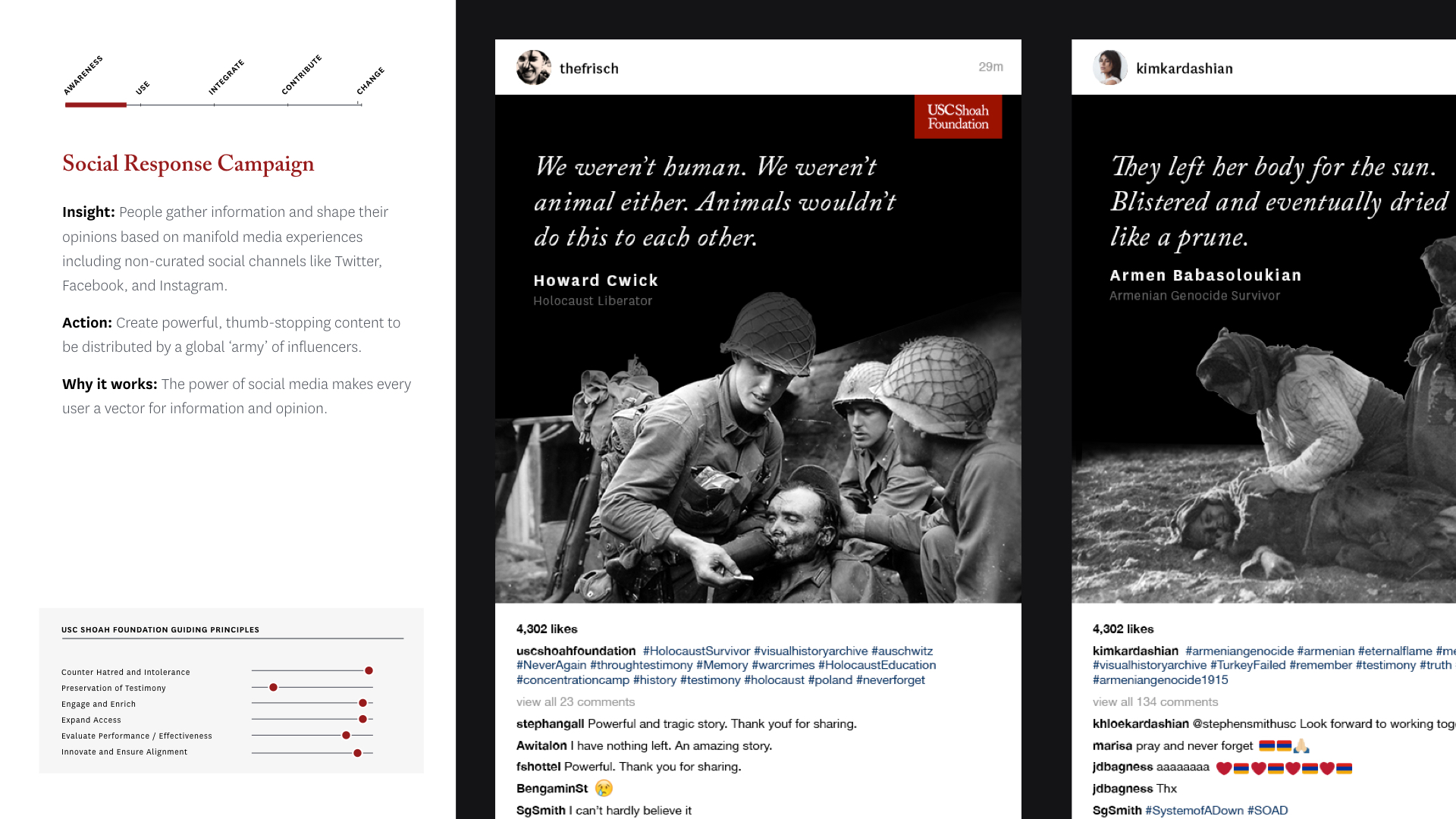
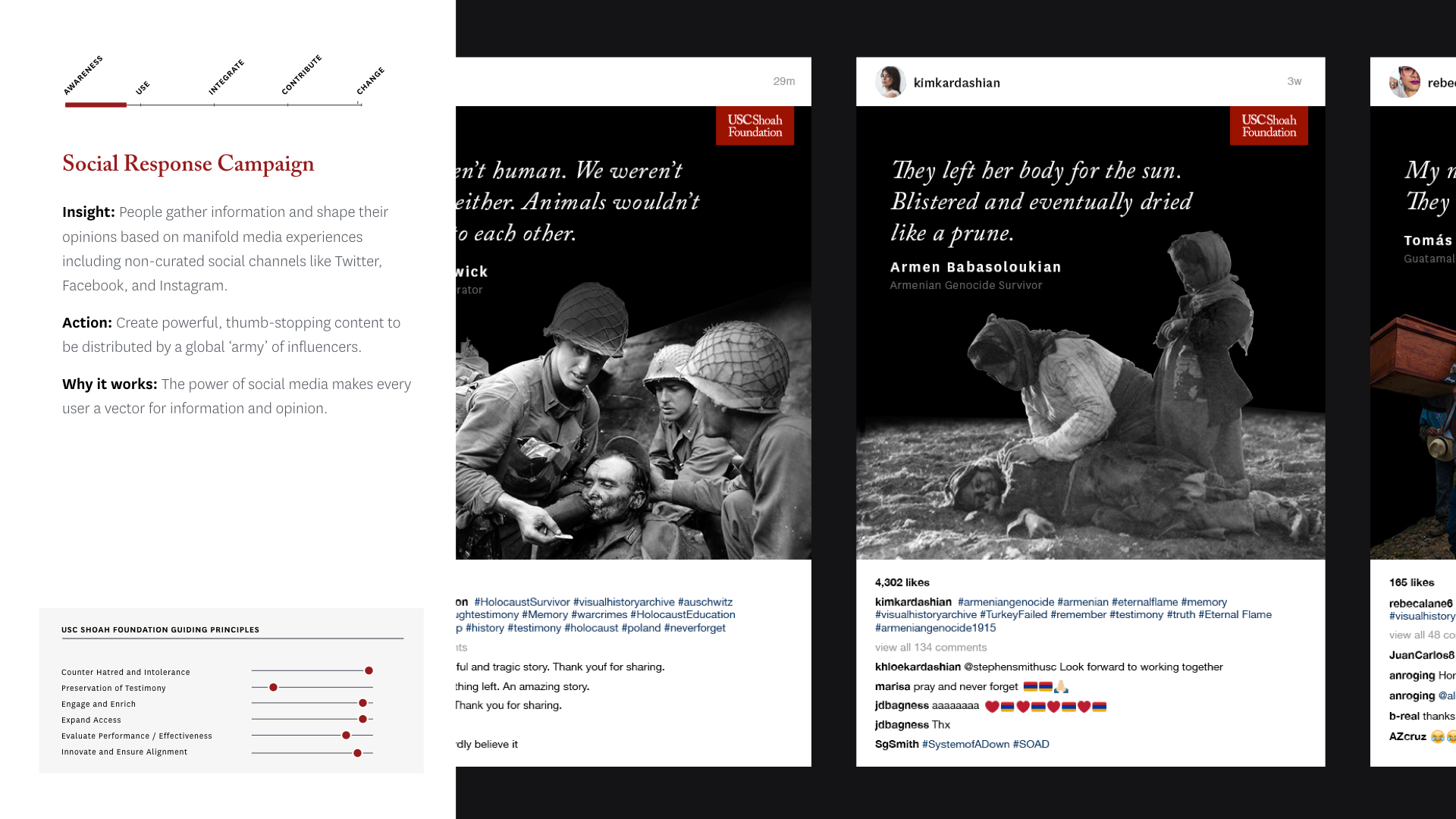
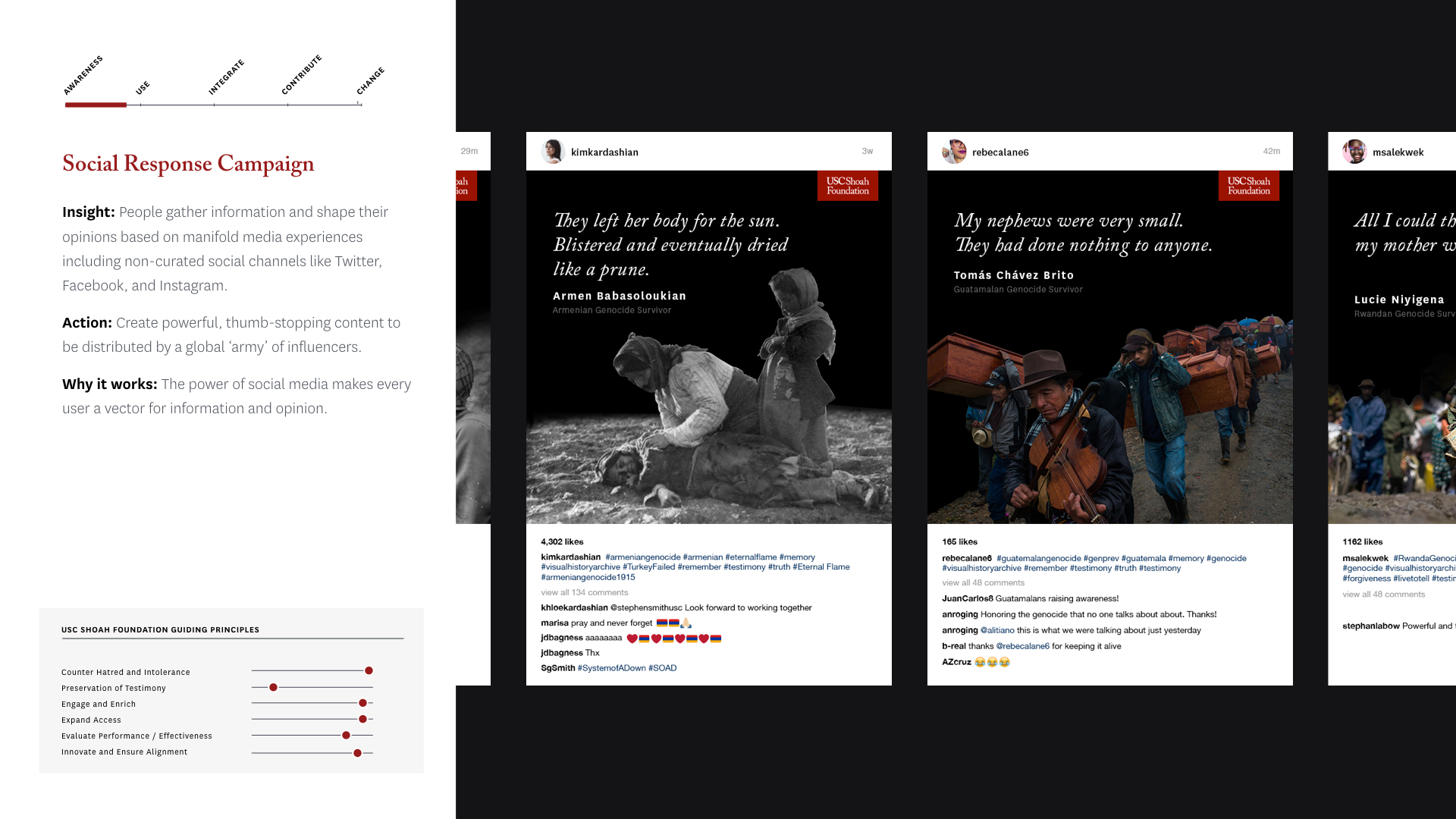
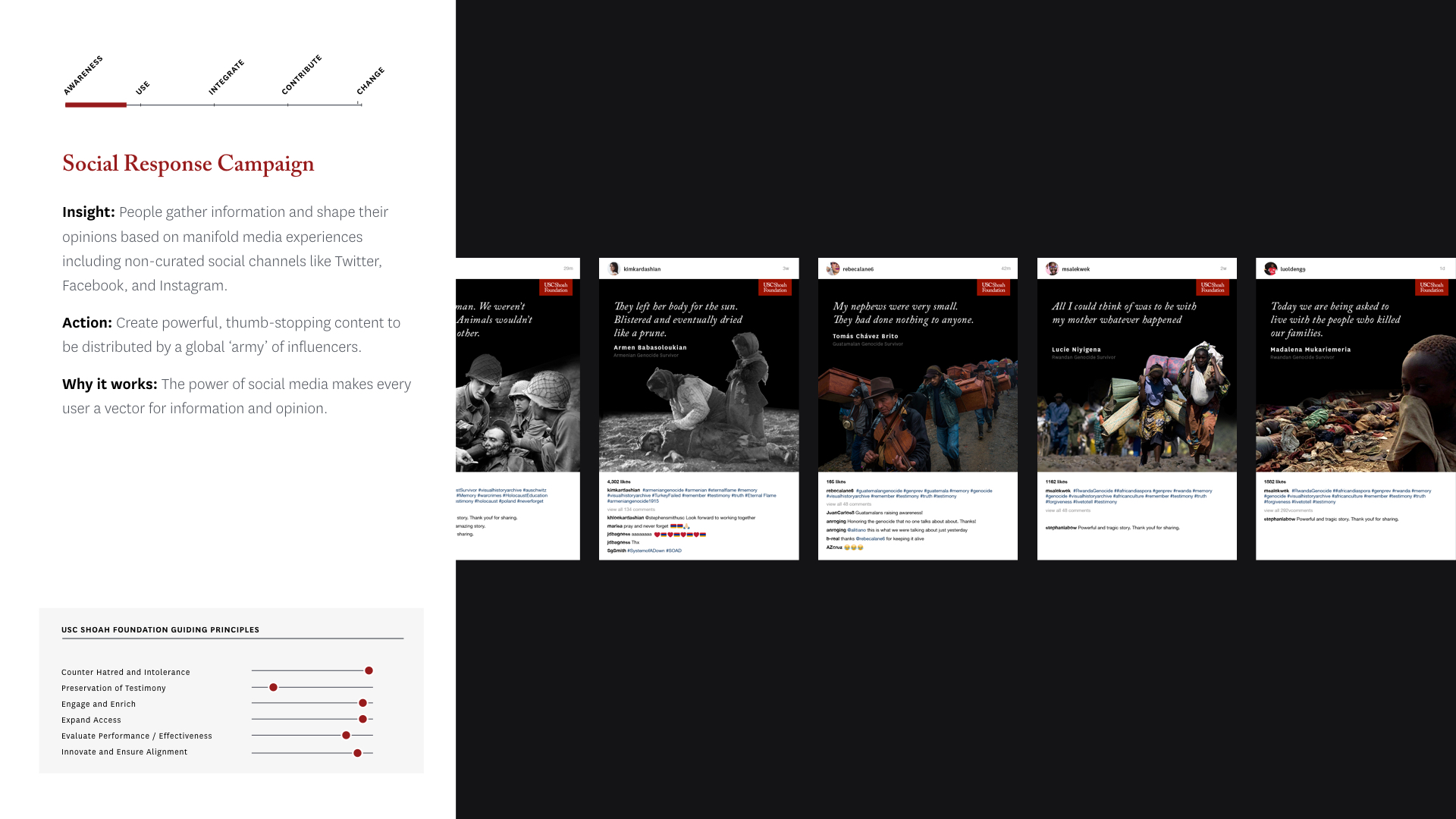
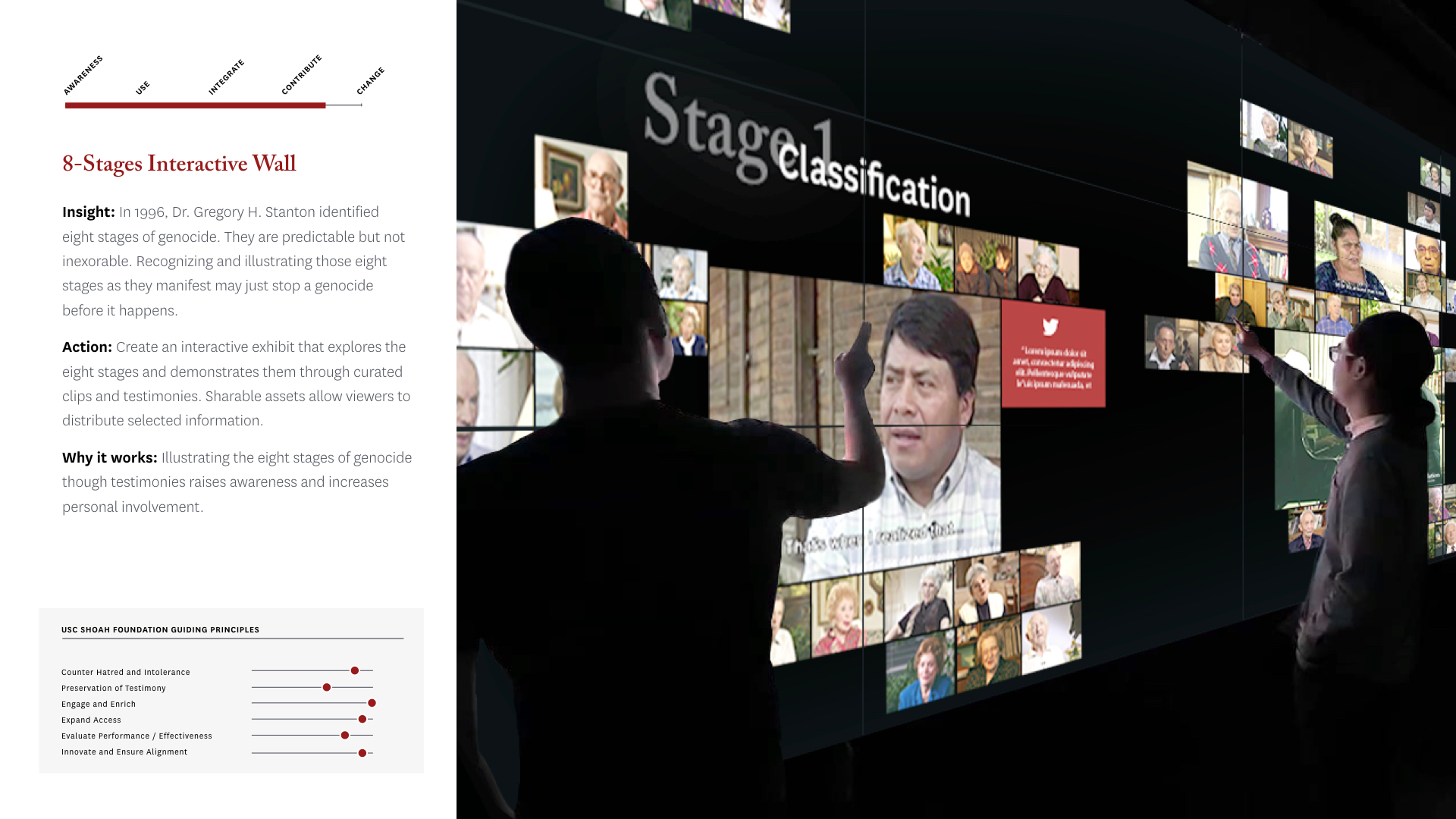
The USC Shoah Foundation holds nearly 60,000 testimonies from survivors and witnesses of the Holocaust and other genocides, the largest archive of its kind in the world. The problem was reach: too few people knew it was there, and fewer still engaged with it in any way that mattered. Publicis Sapient pitched for the work and won it, then set out to understand who those new audiences could be and chart a path toward broader, more sustained engagement. The work moved from research through to vision: workshops and interviews, a creative lens applied to every insight, and a visual strategy that gave the thinking shape.
Insight
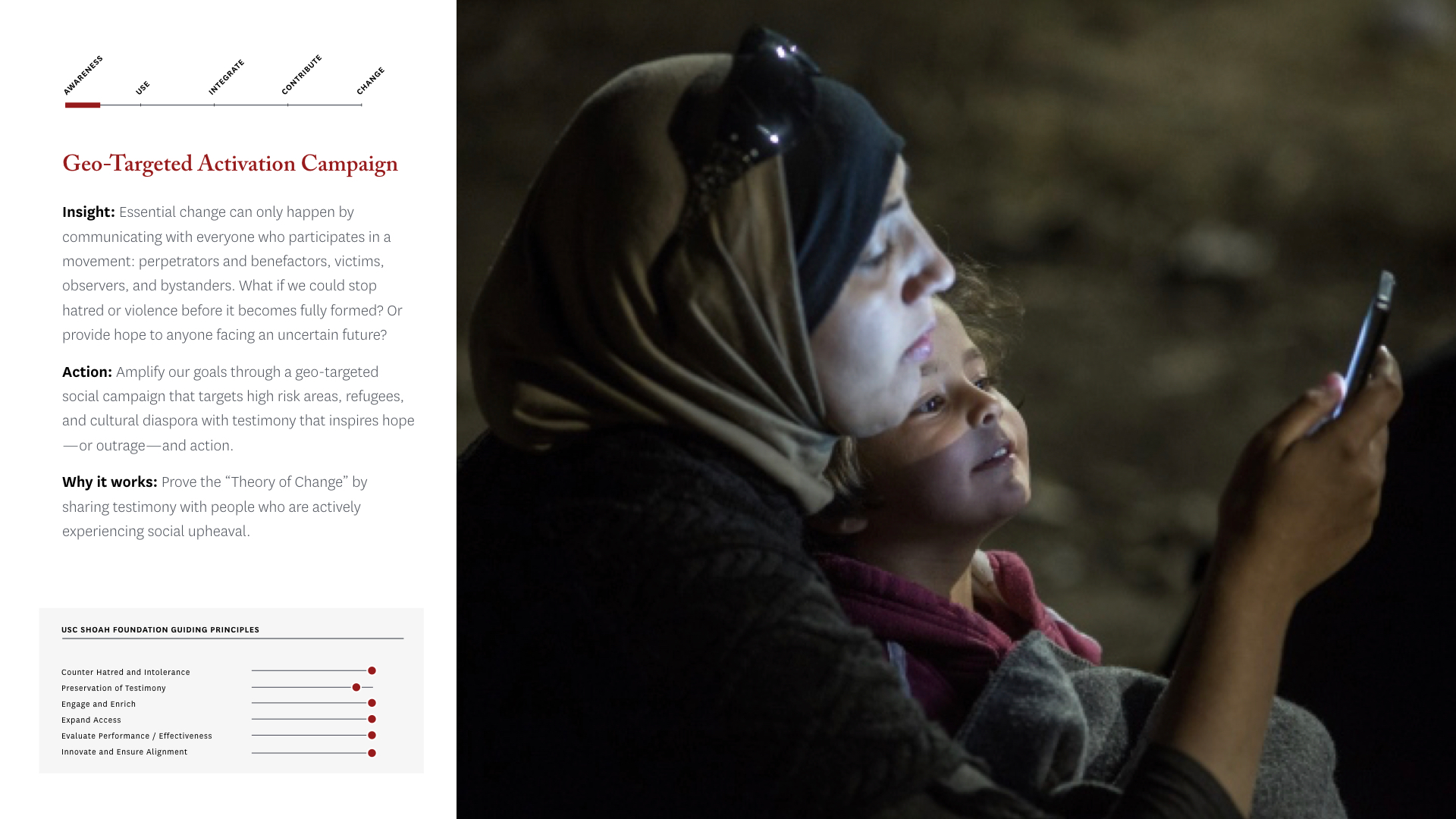
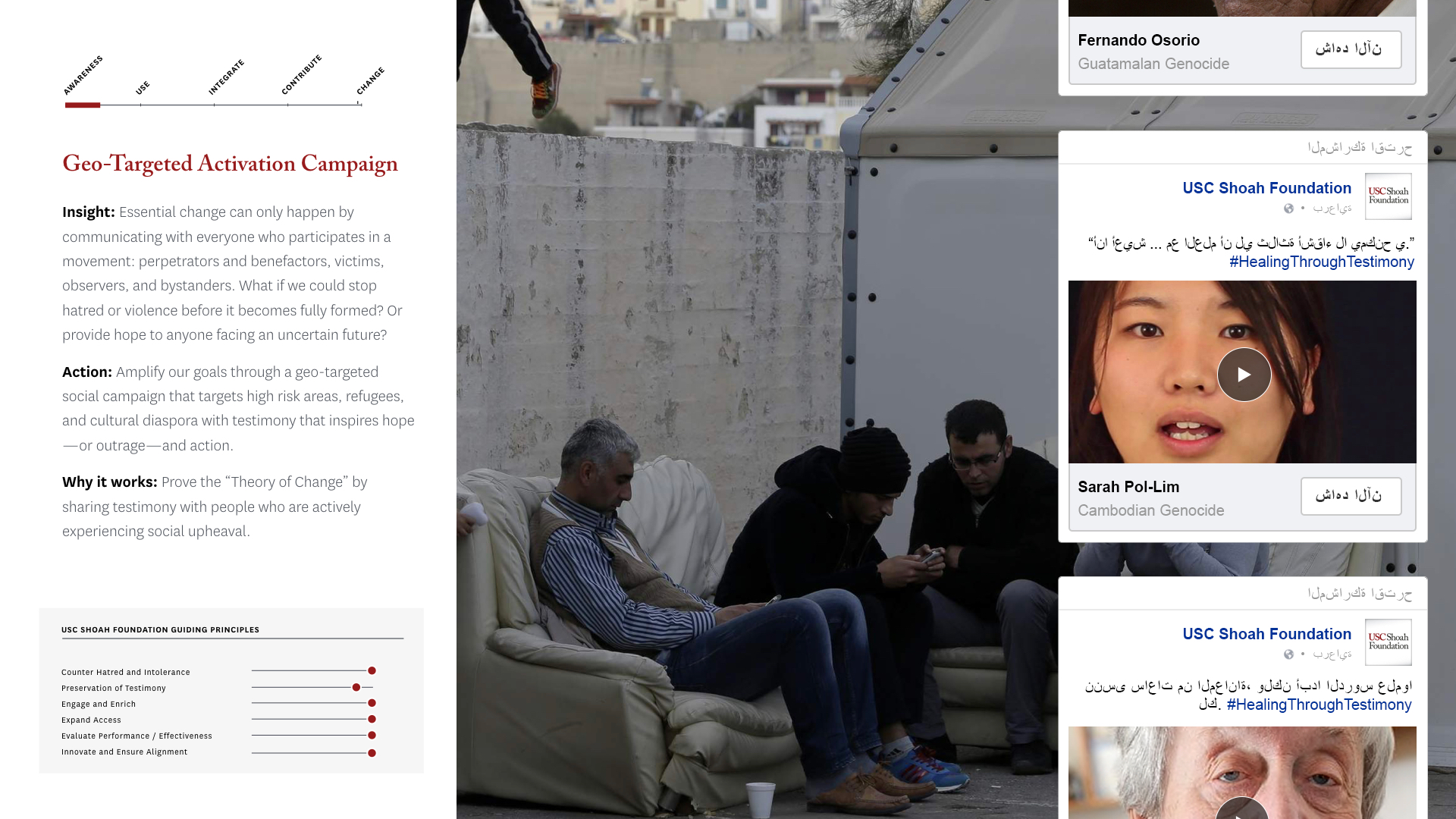
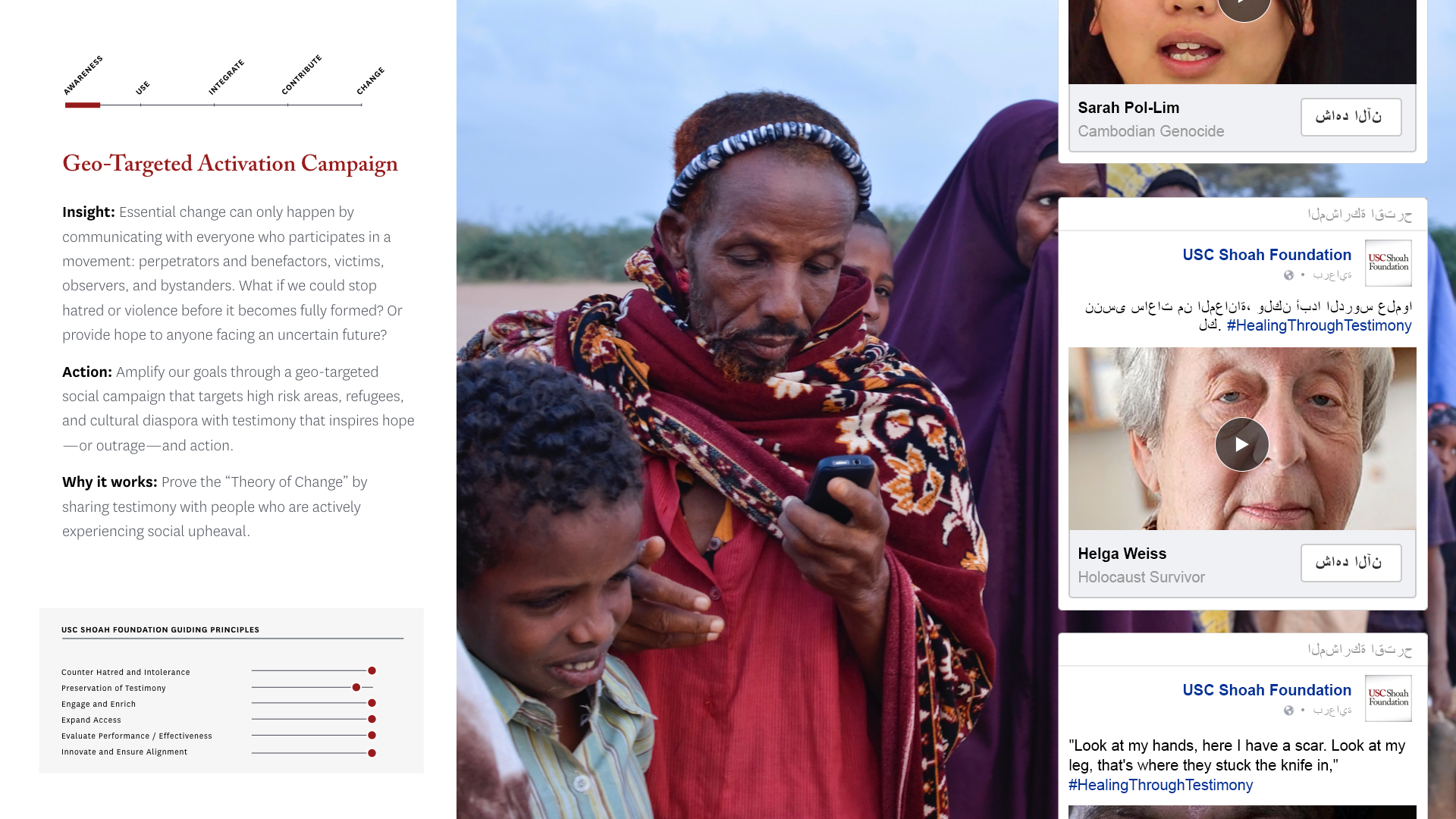
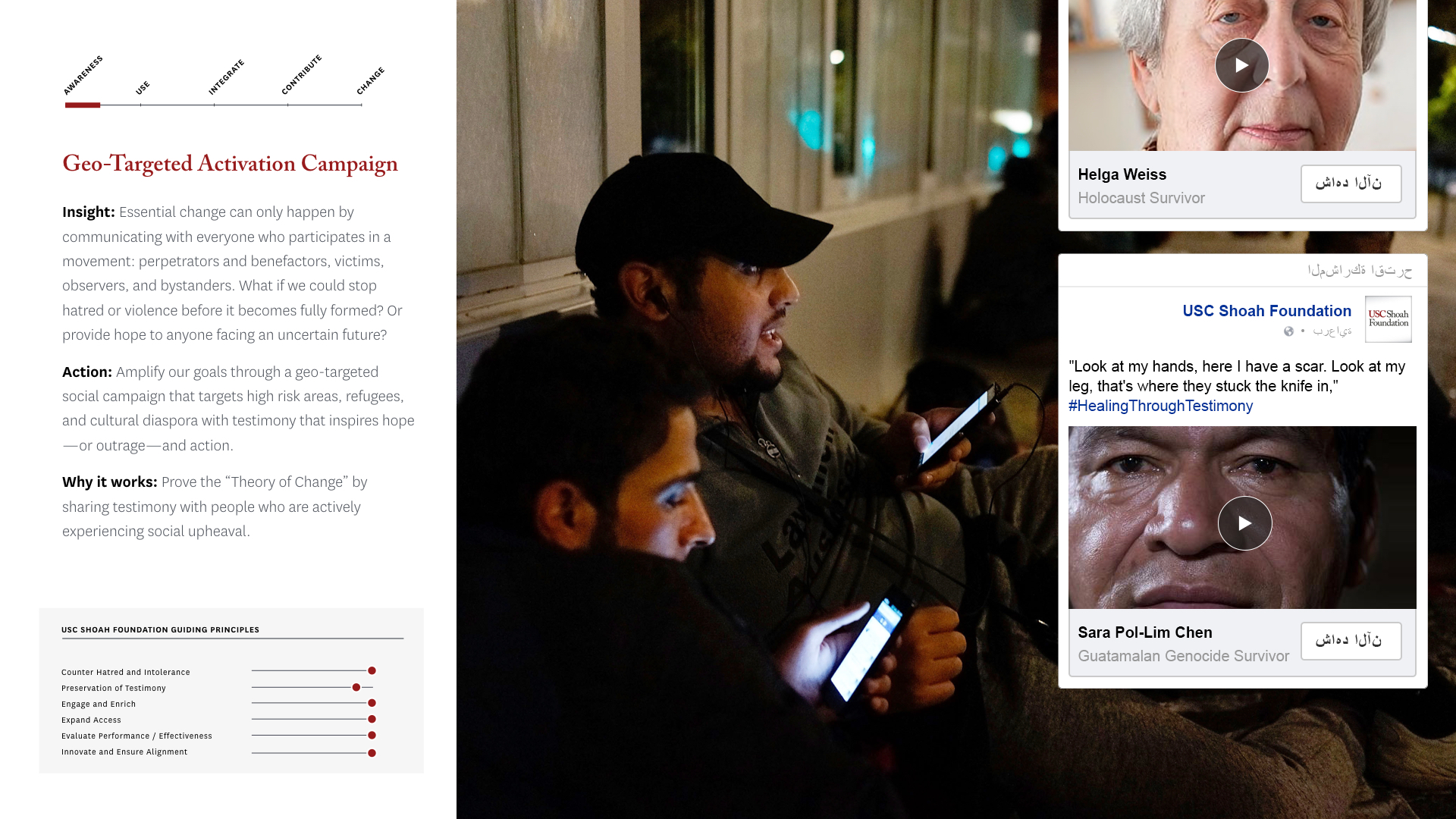
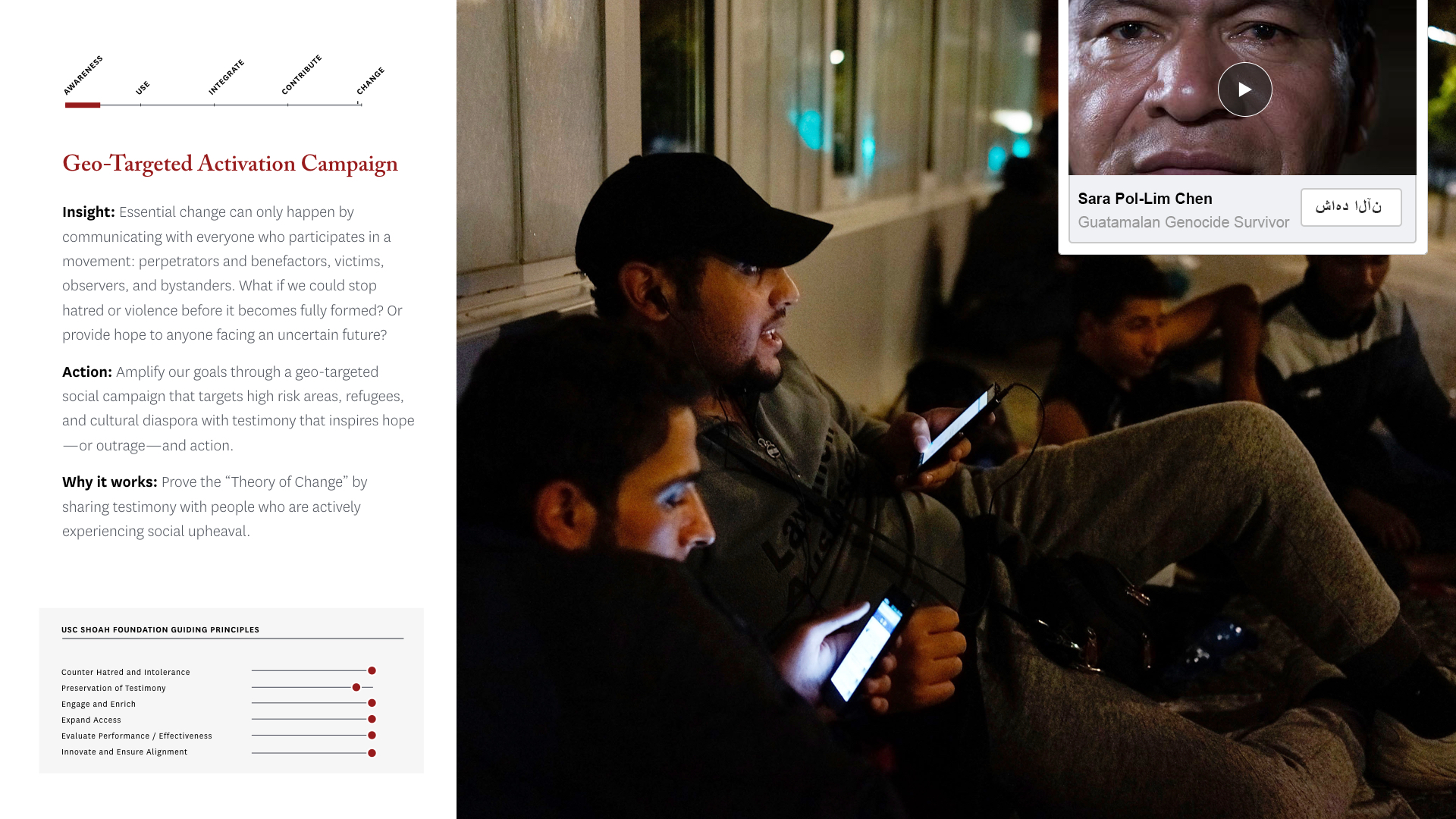
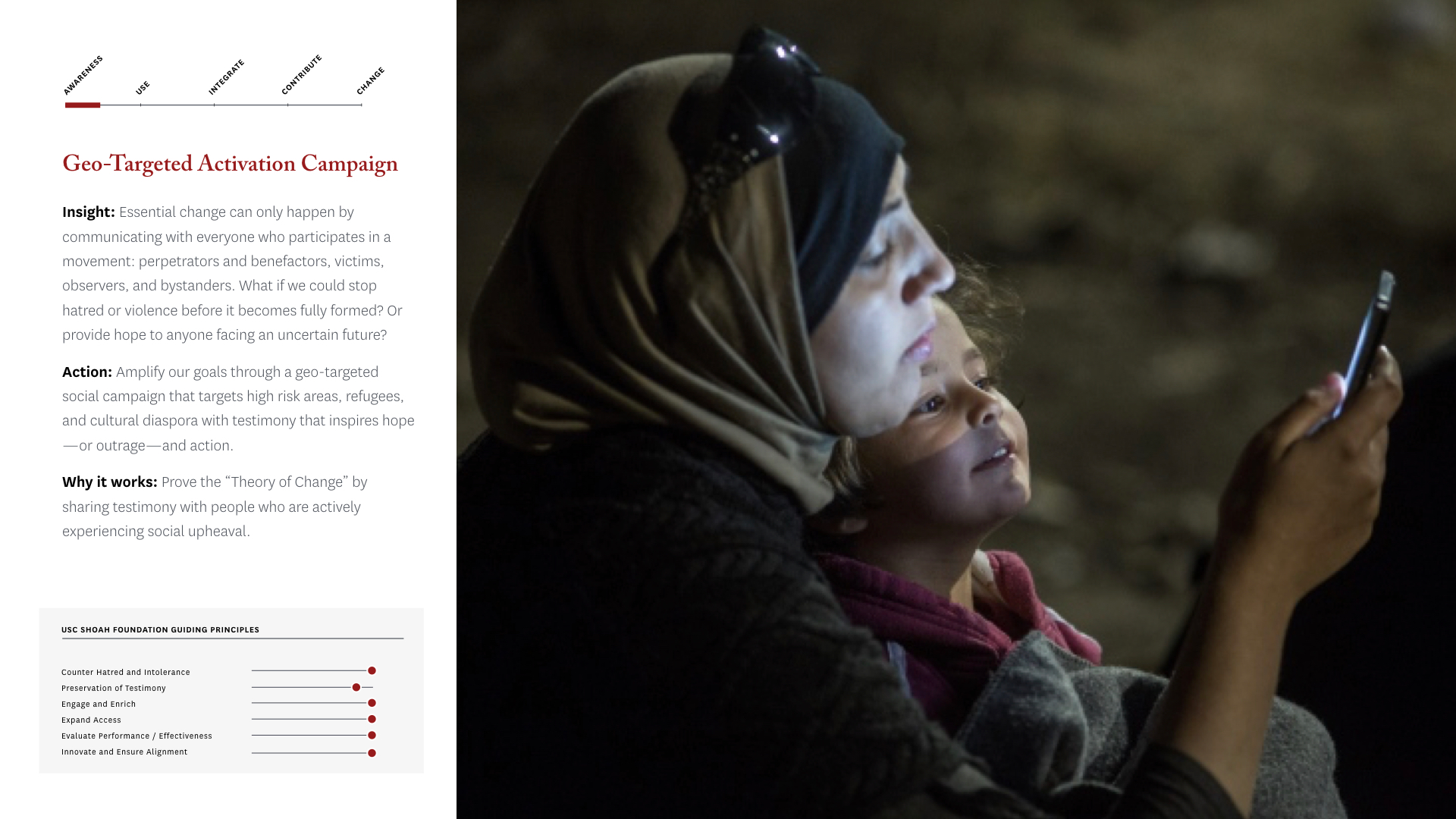
The Institute’s belief was direct: testimony from genocide survivors builds empathy, understanding, and respect in the people who encounter it. That’s the mechanism behind the mission, not a marketing claim. The question wasn’t how to get more people to the archive. It was how to get the right testimony to someone at a moment when it could actually shape how they saw the world.
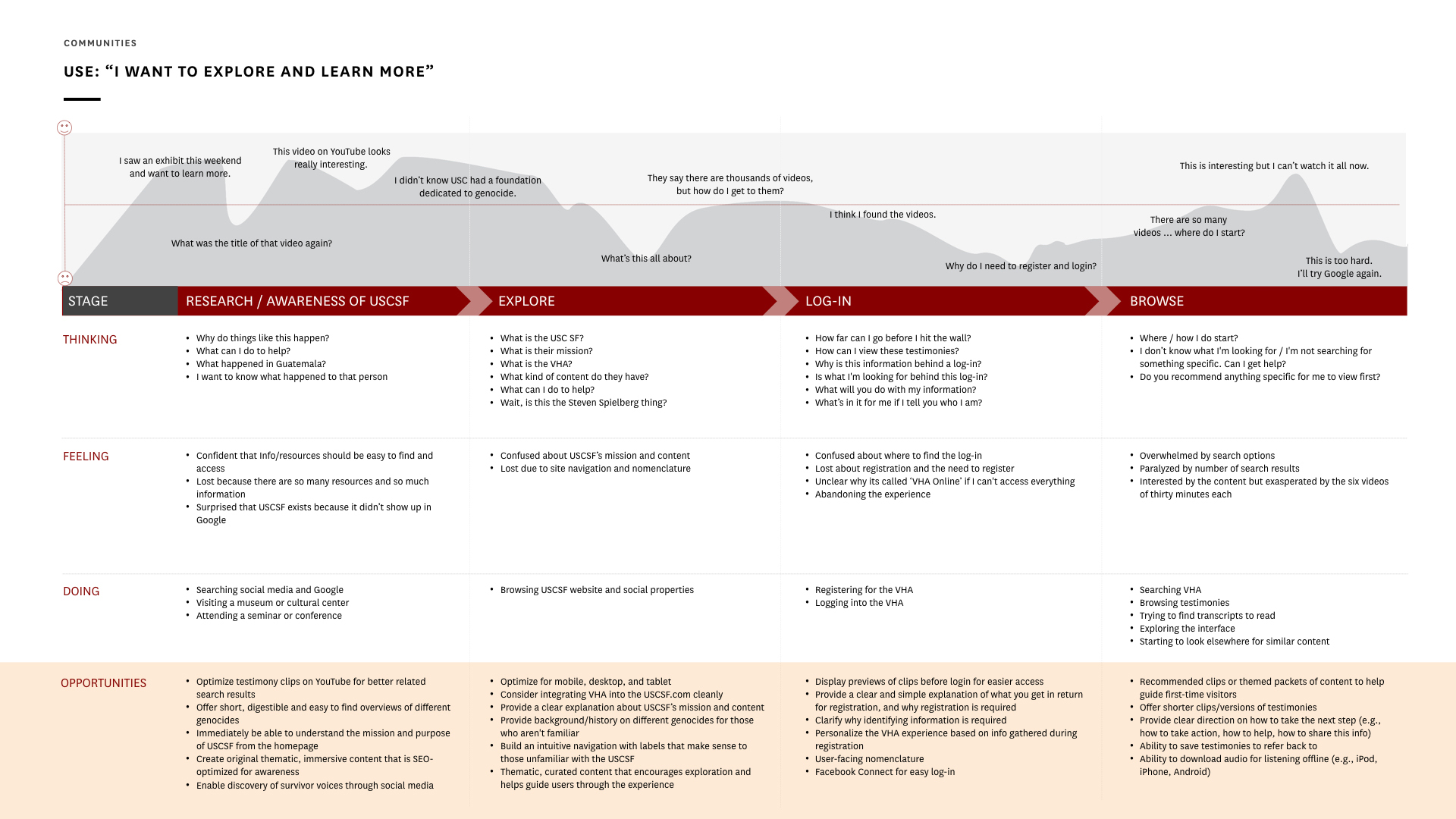
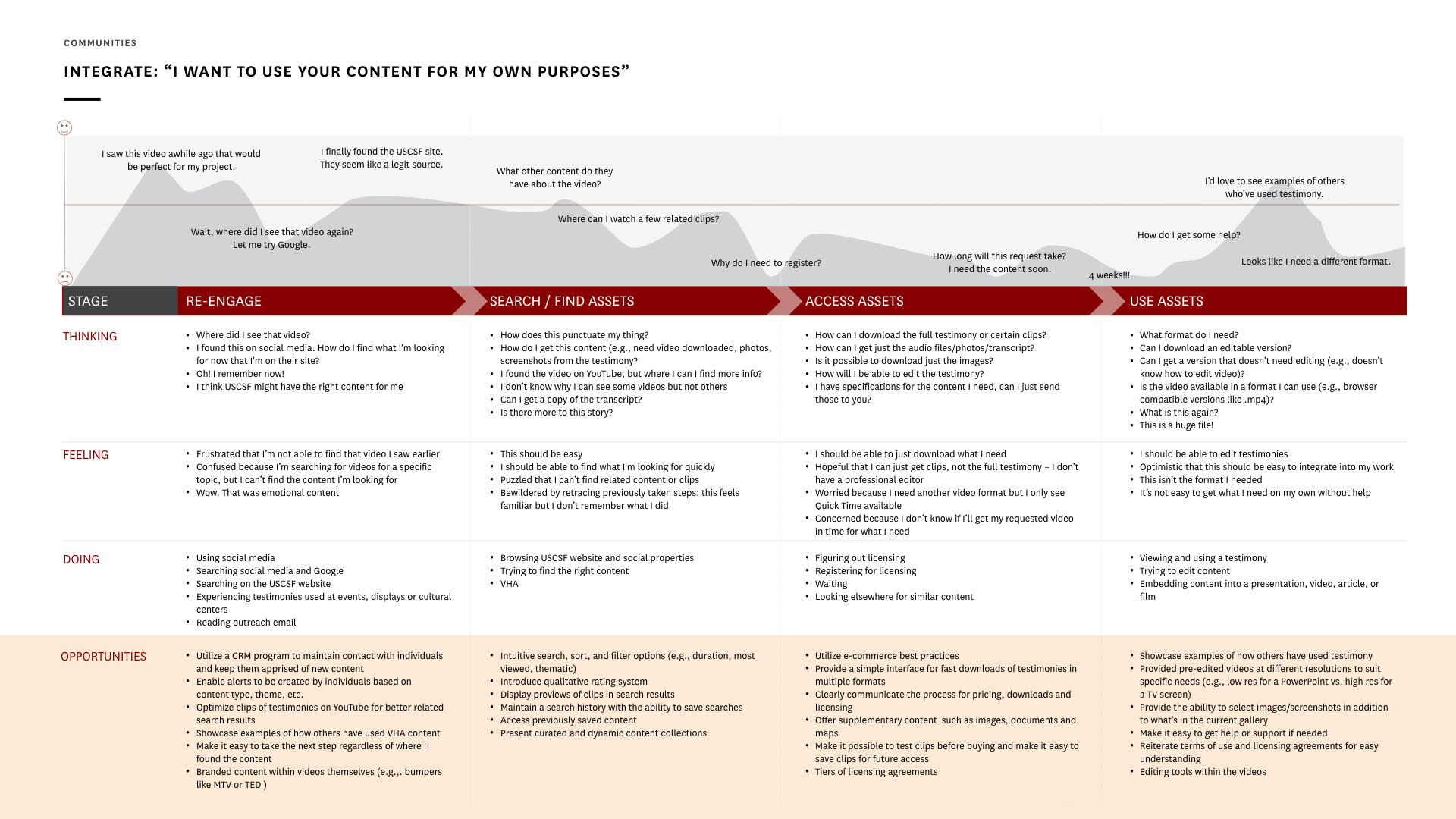
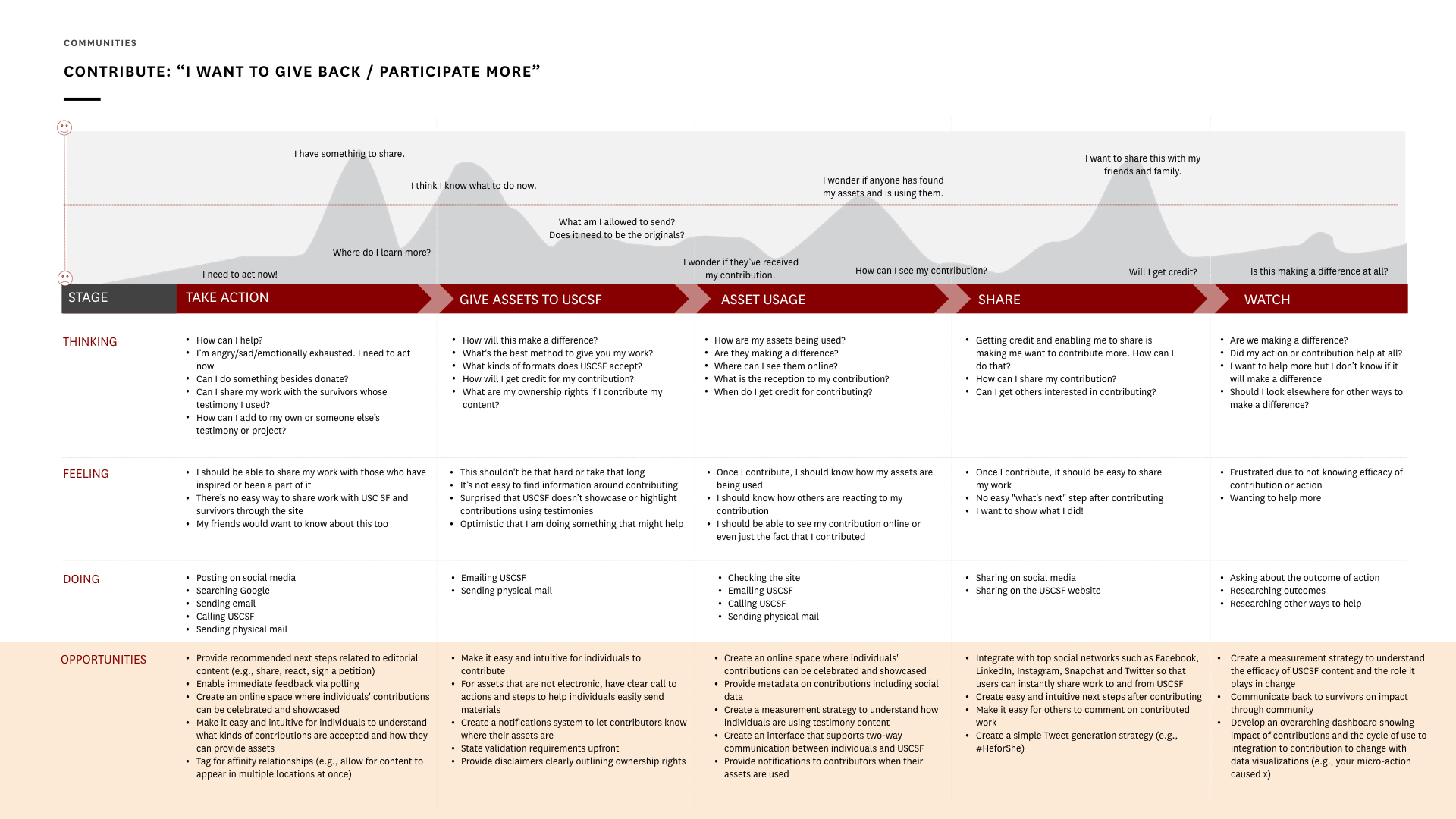
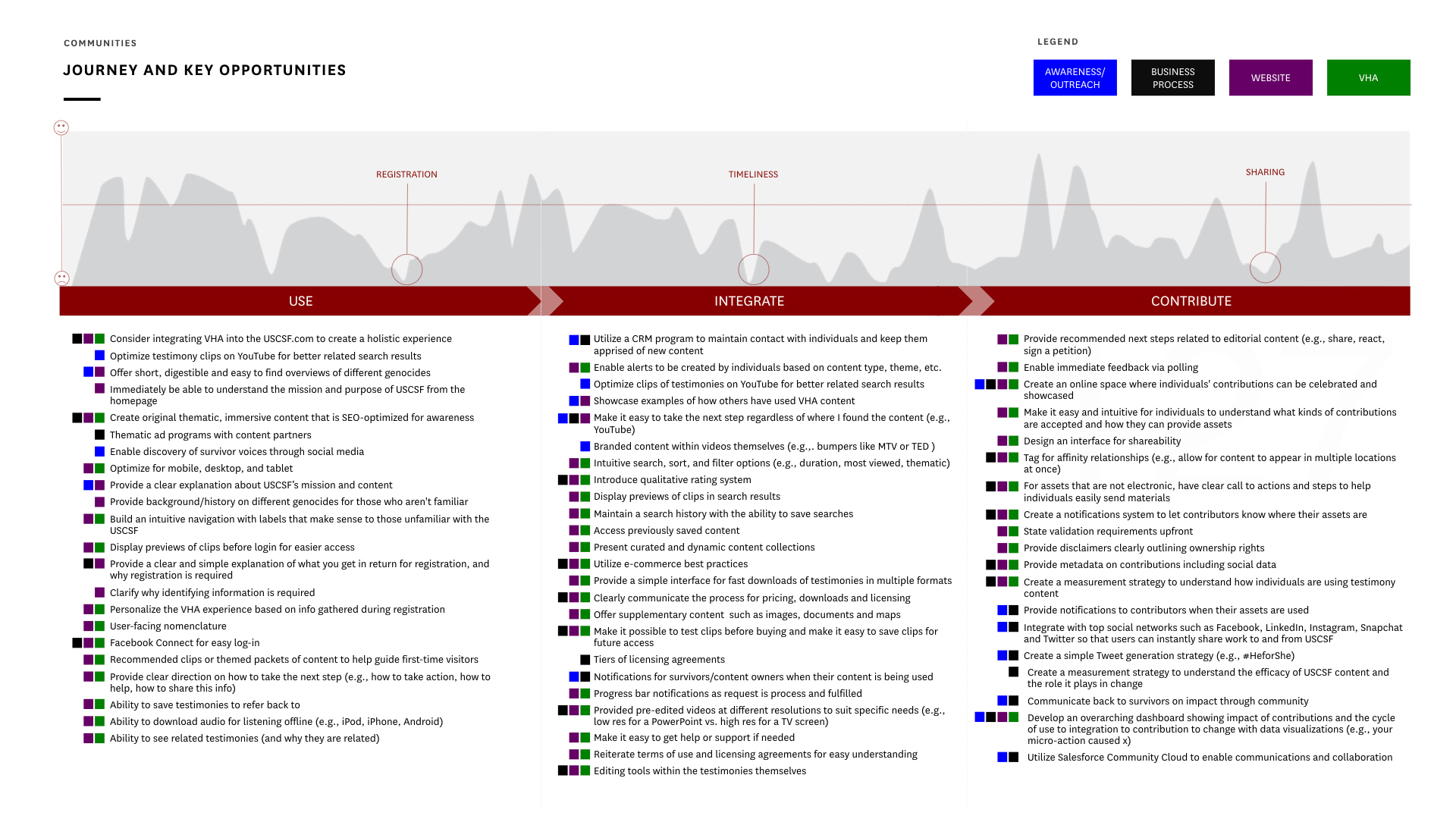
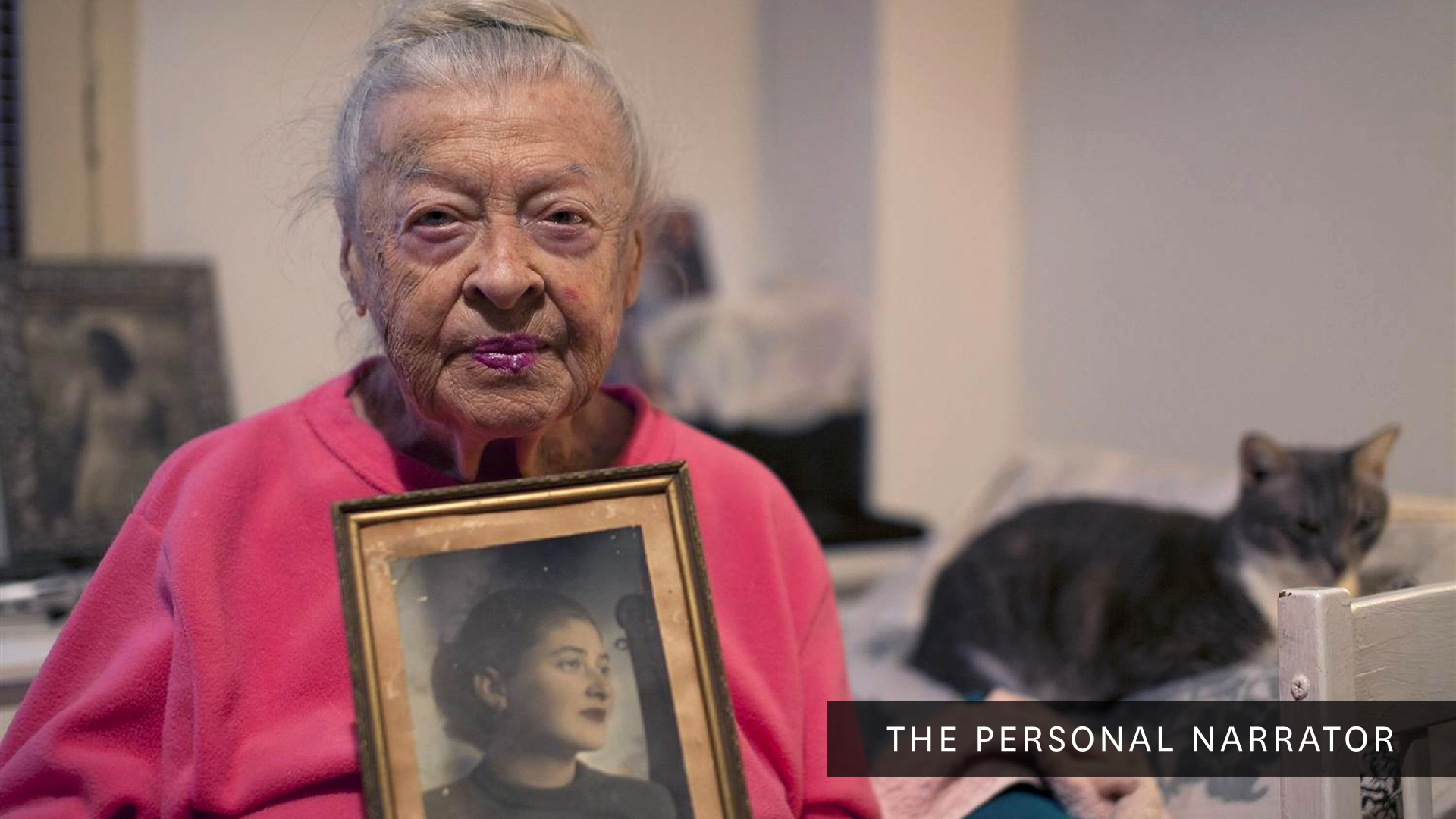
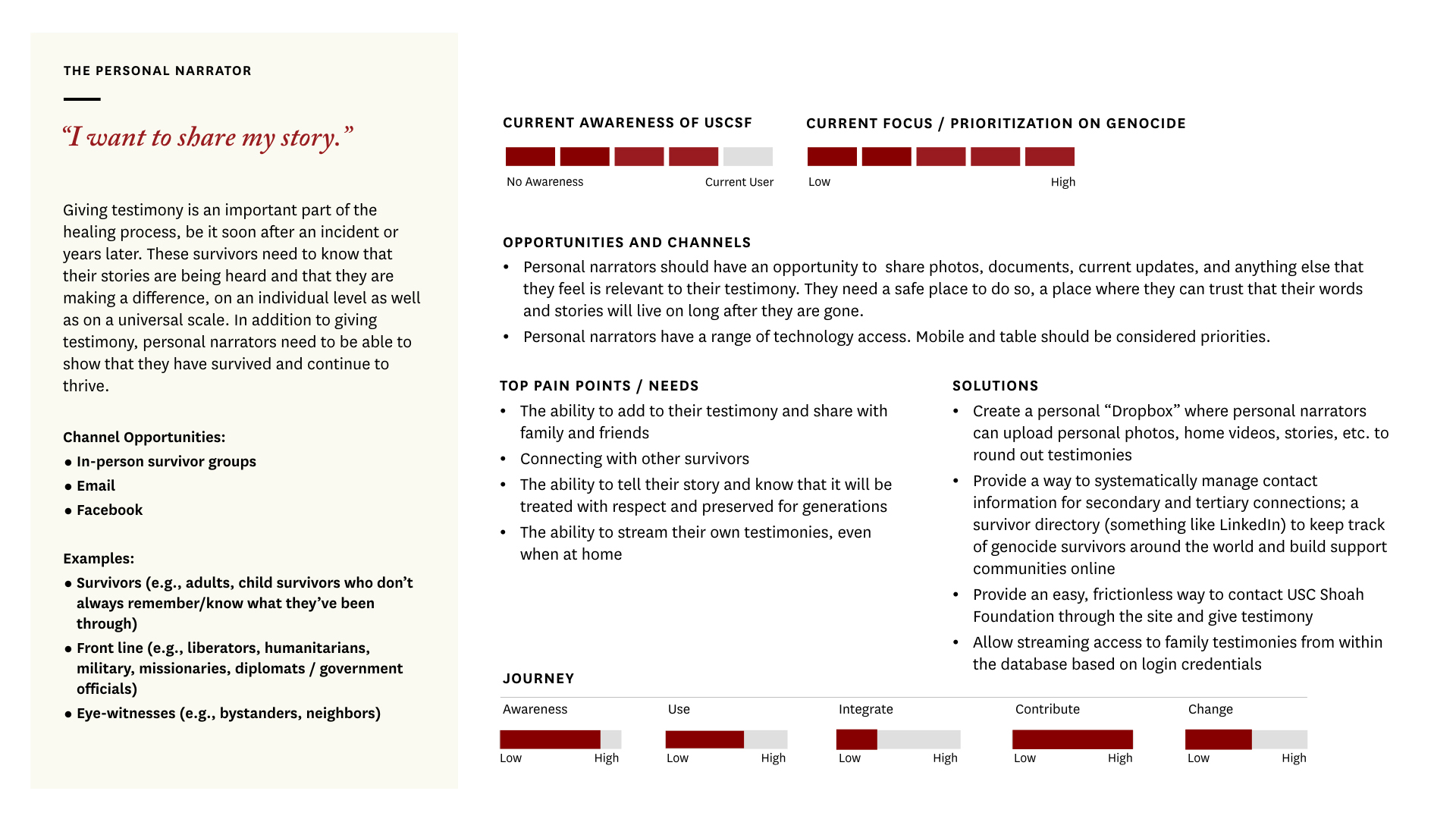
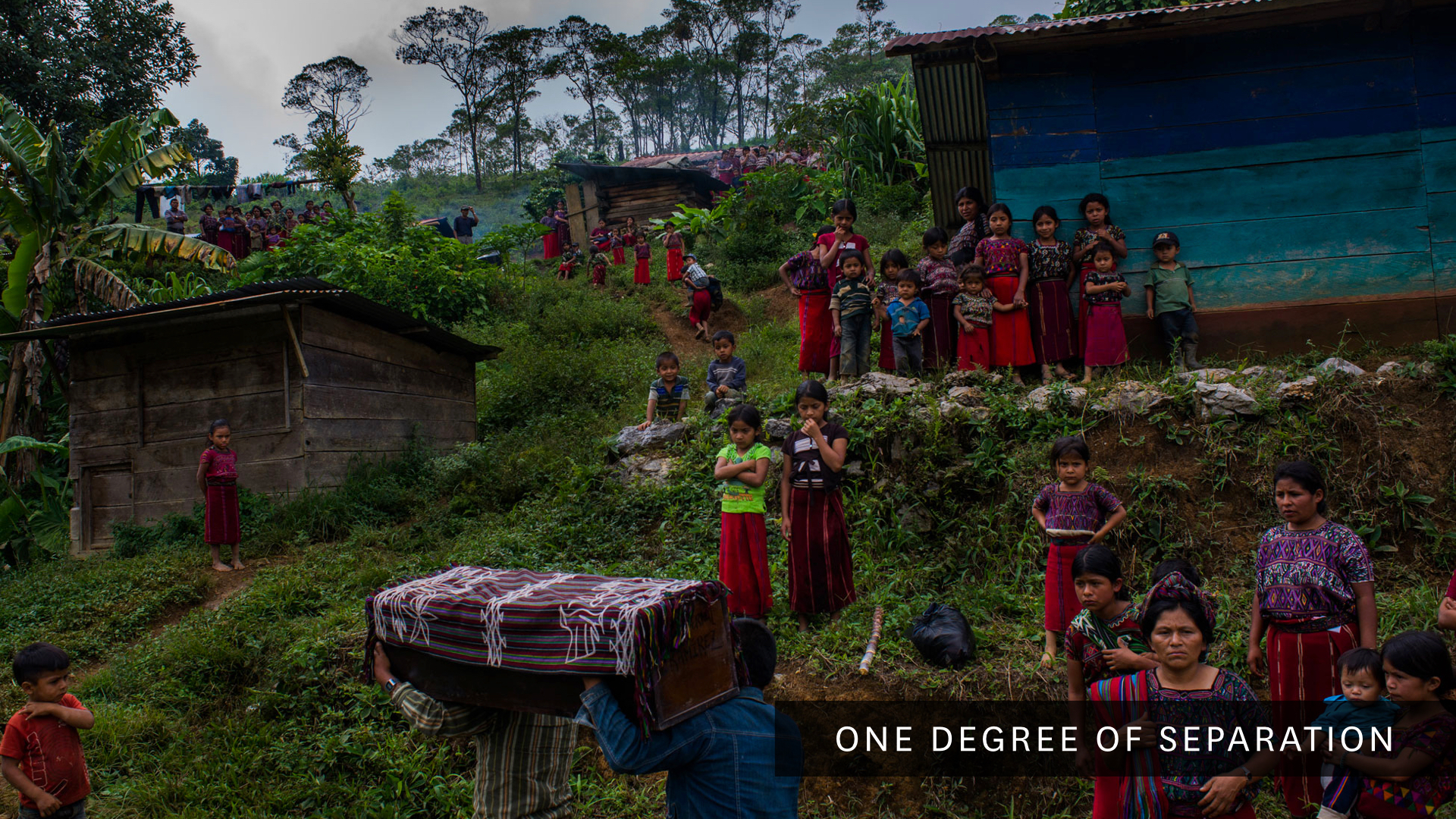
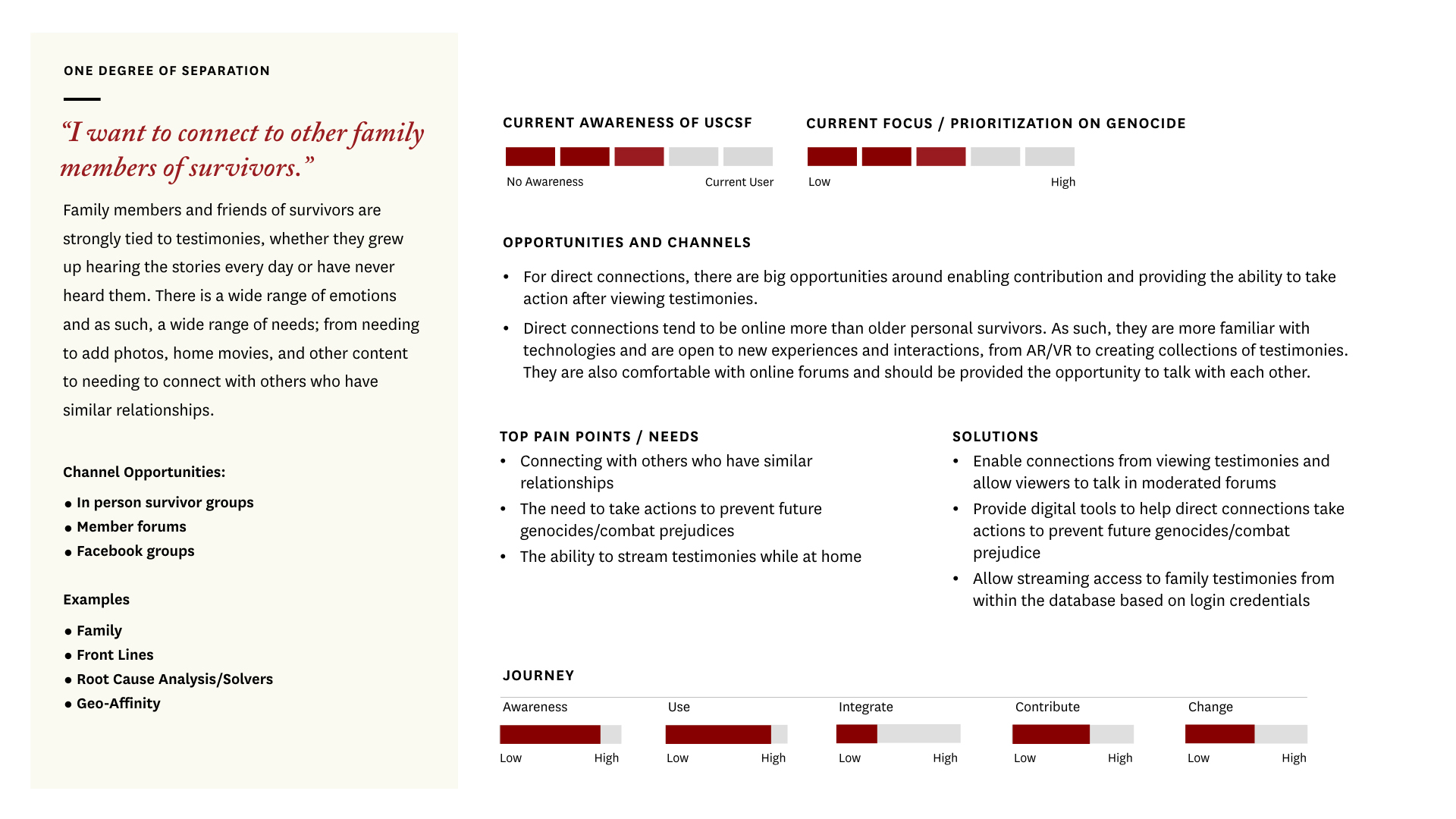
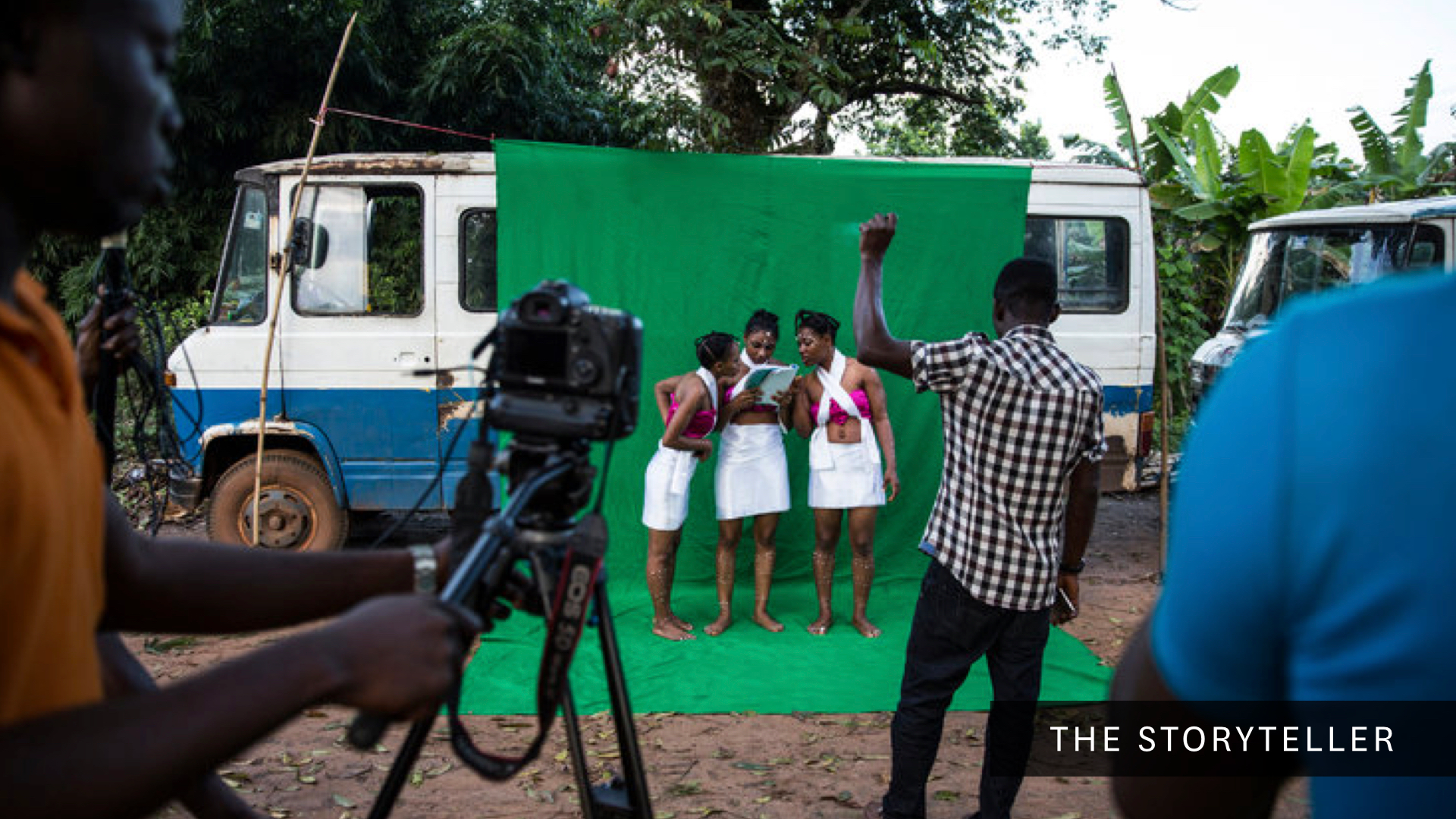
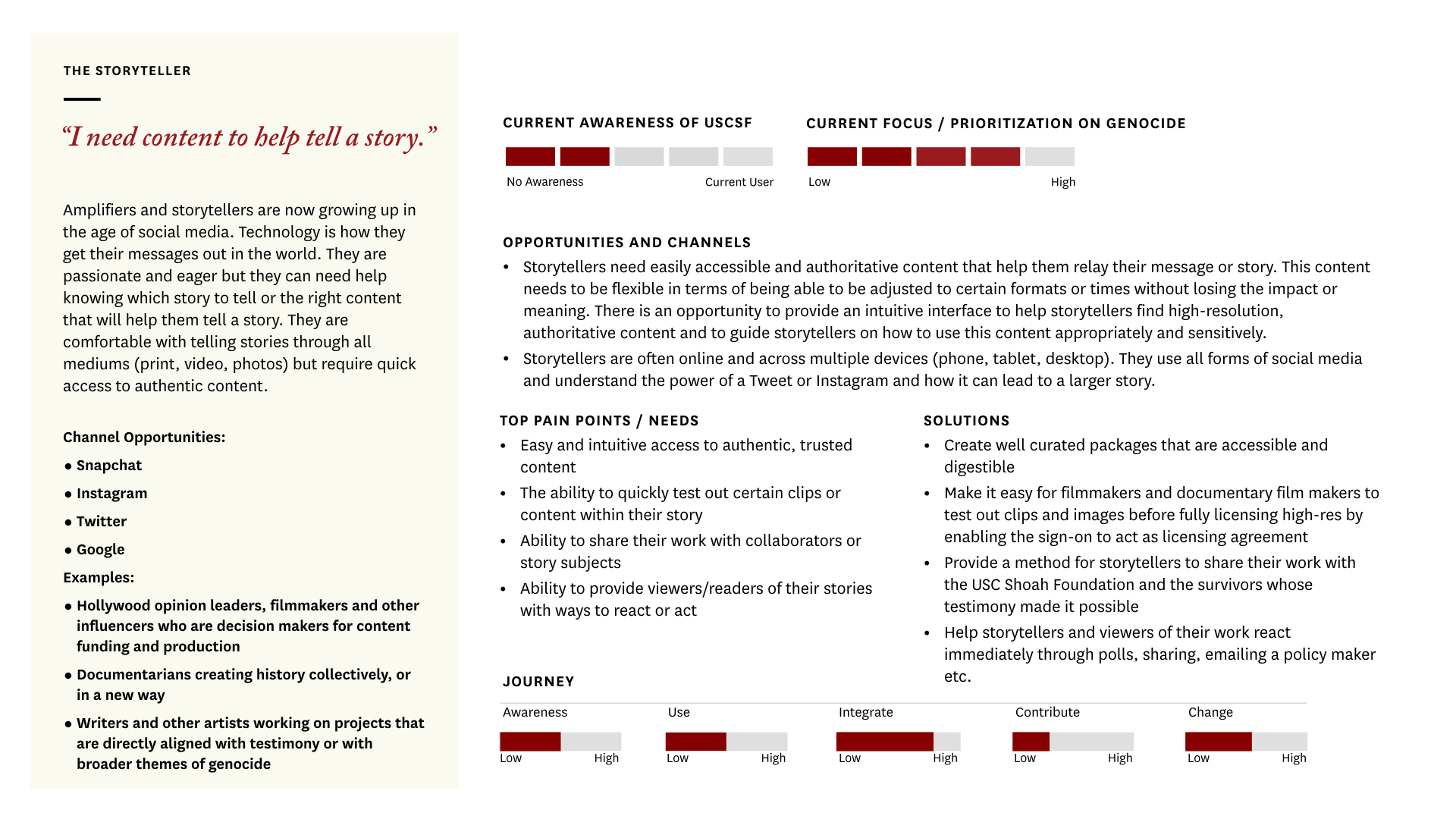
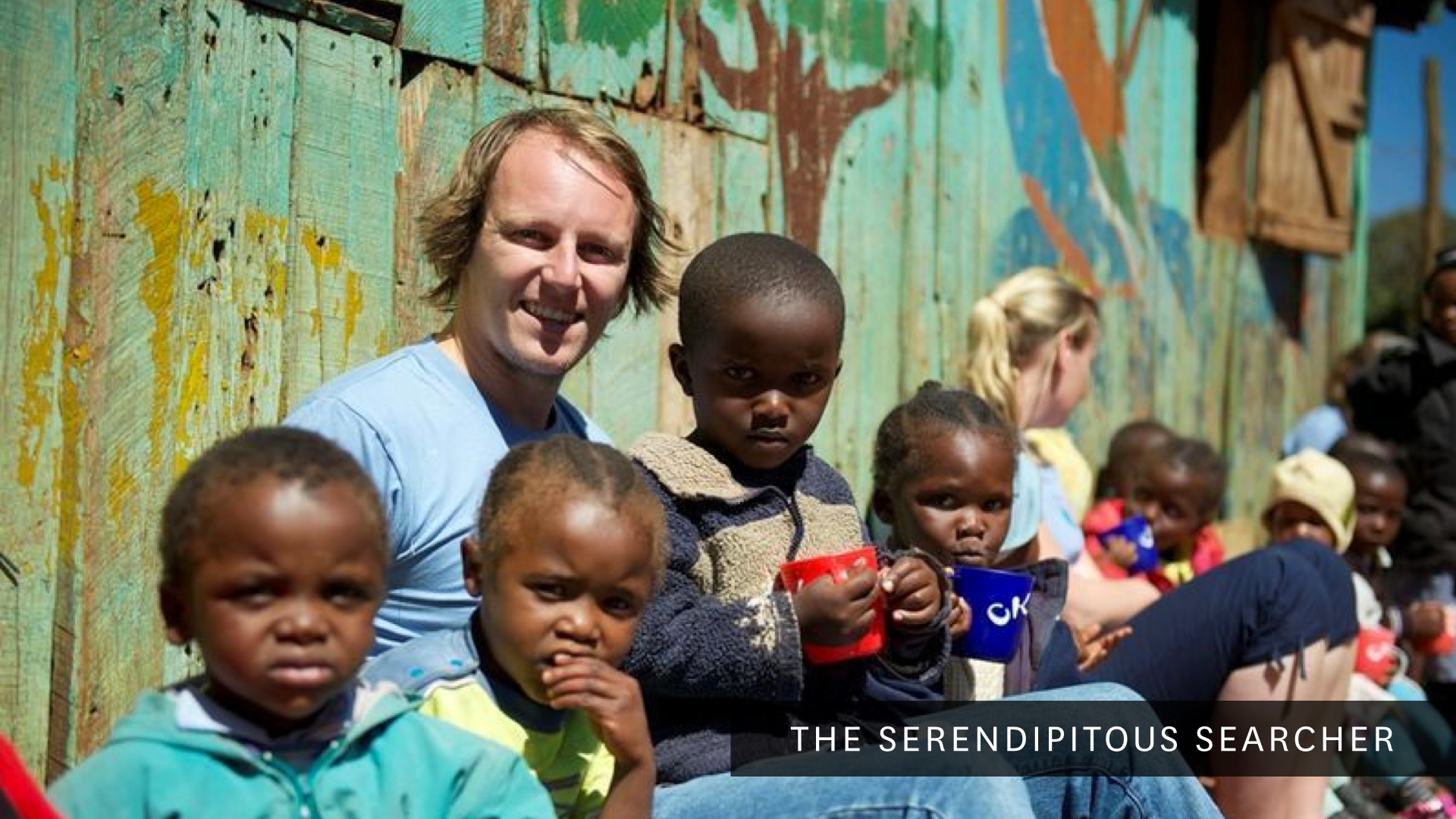
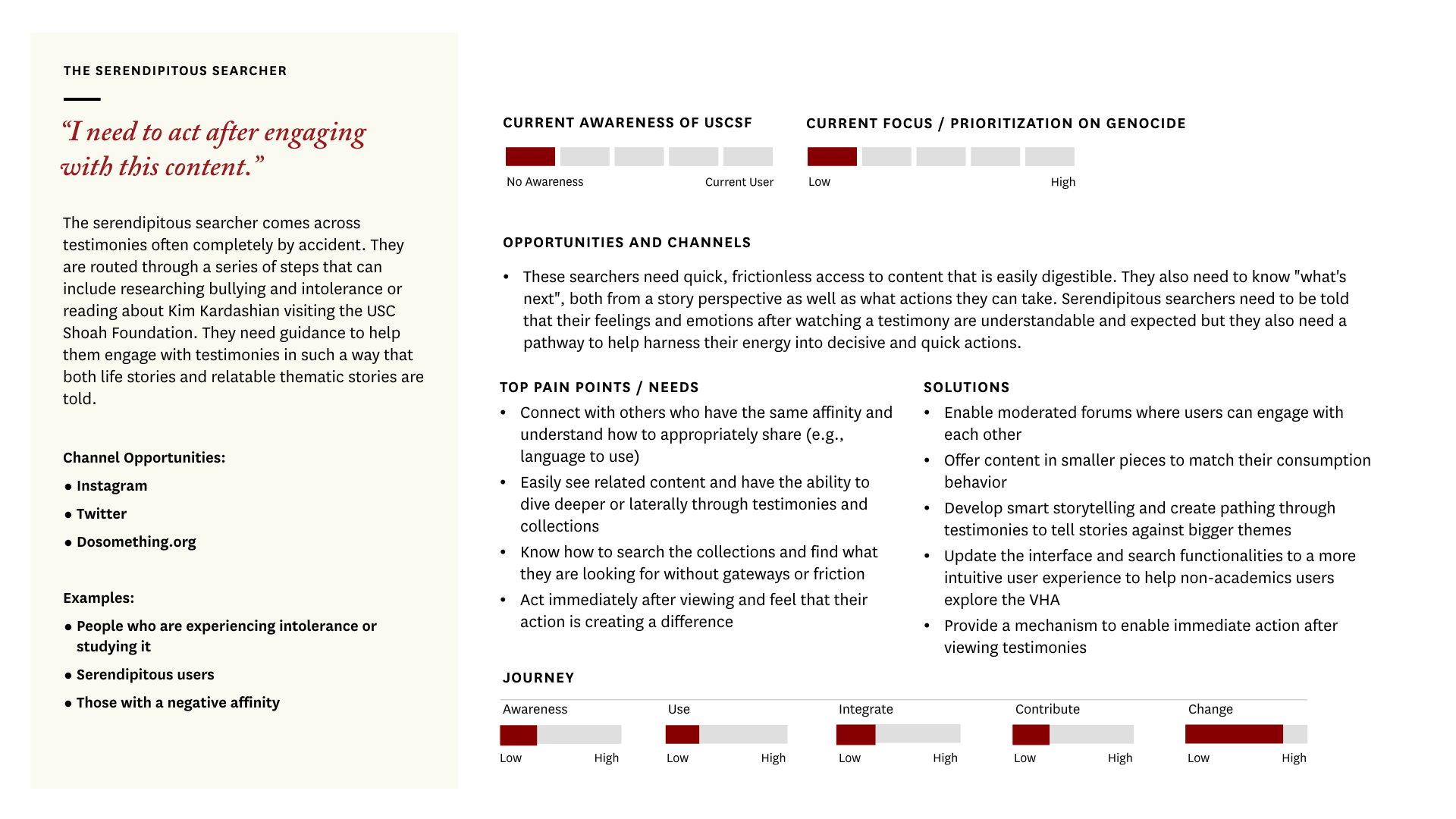
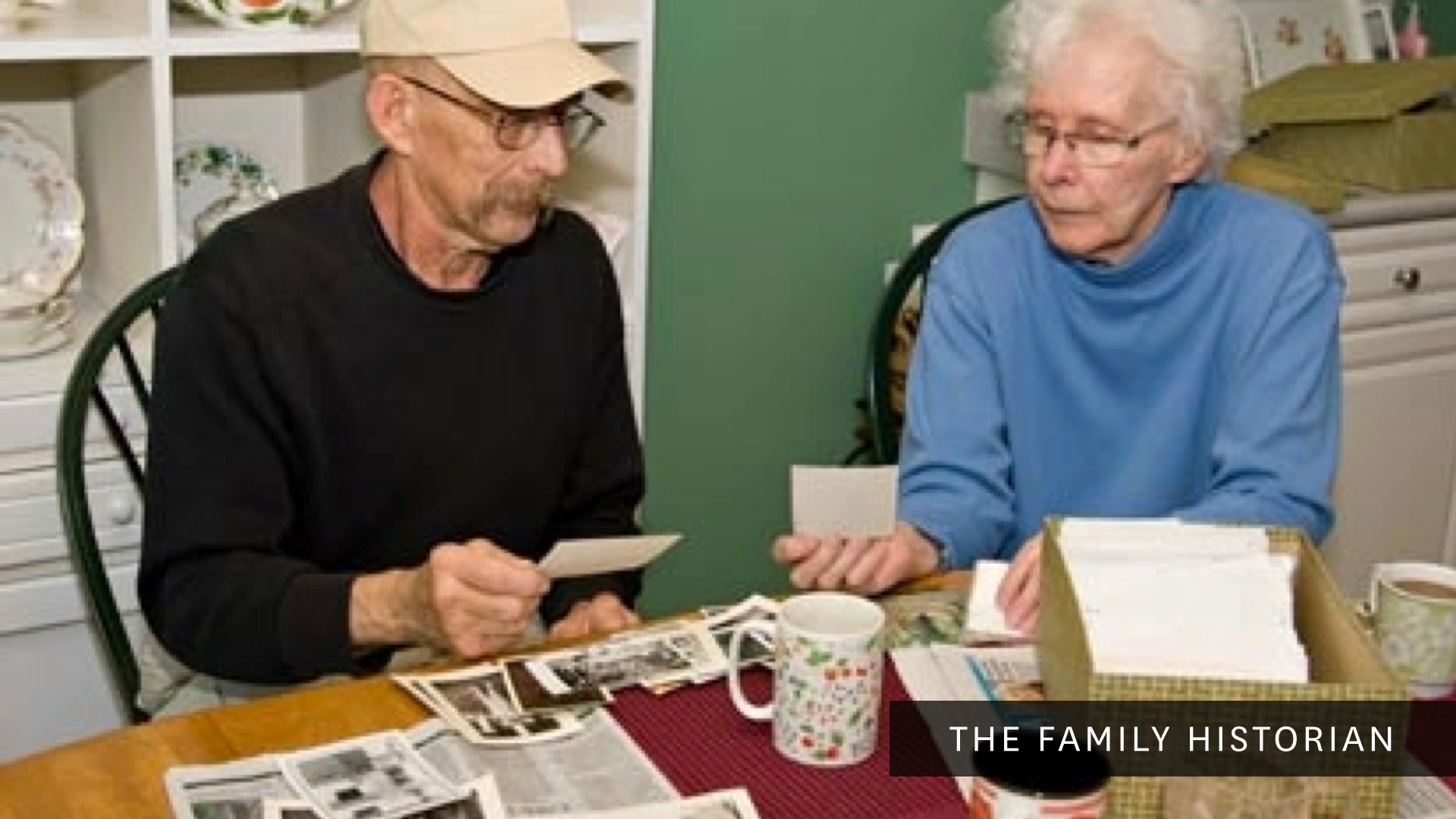
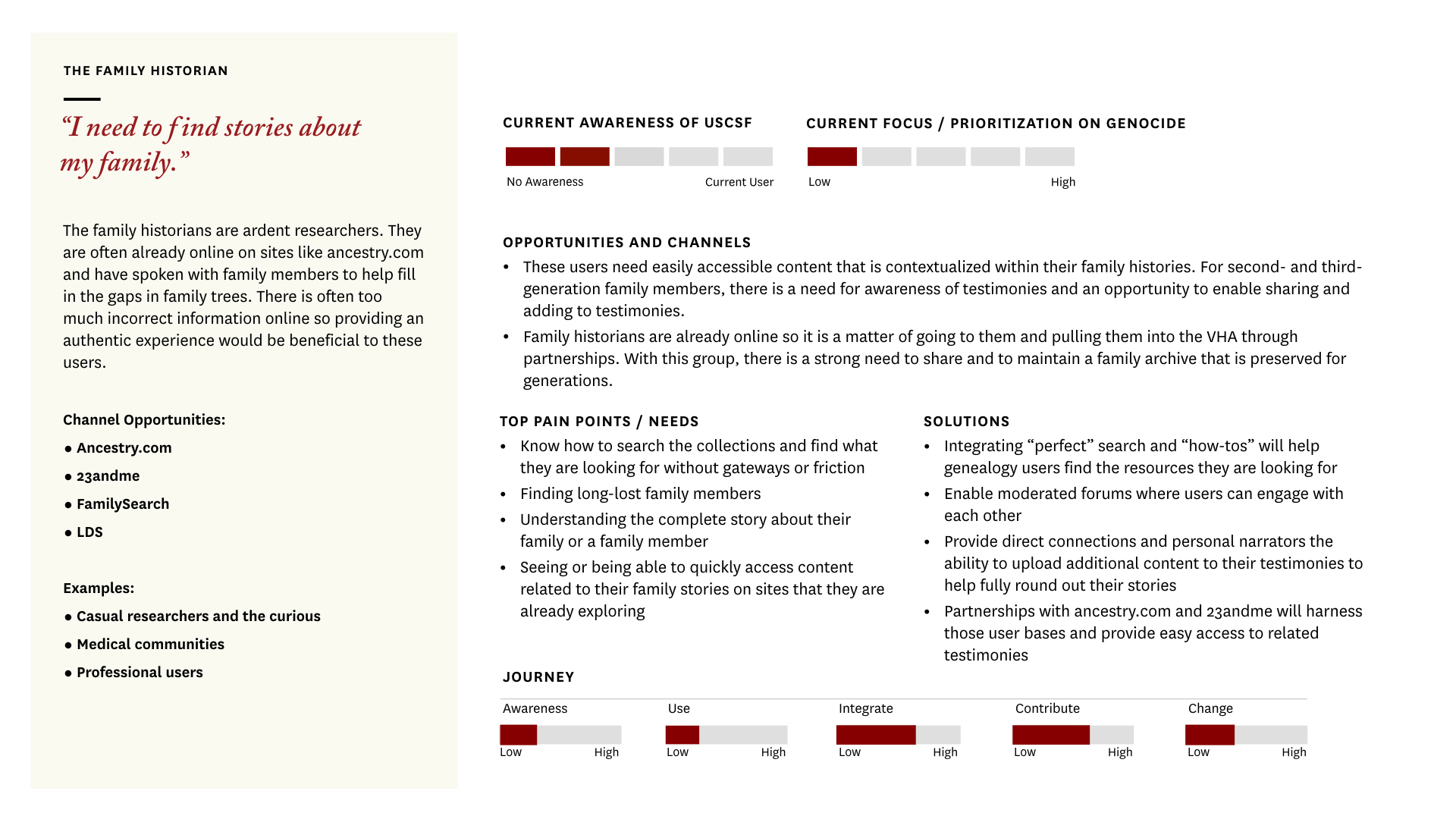
Audience Identification & Journey Mapping
Outcome
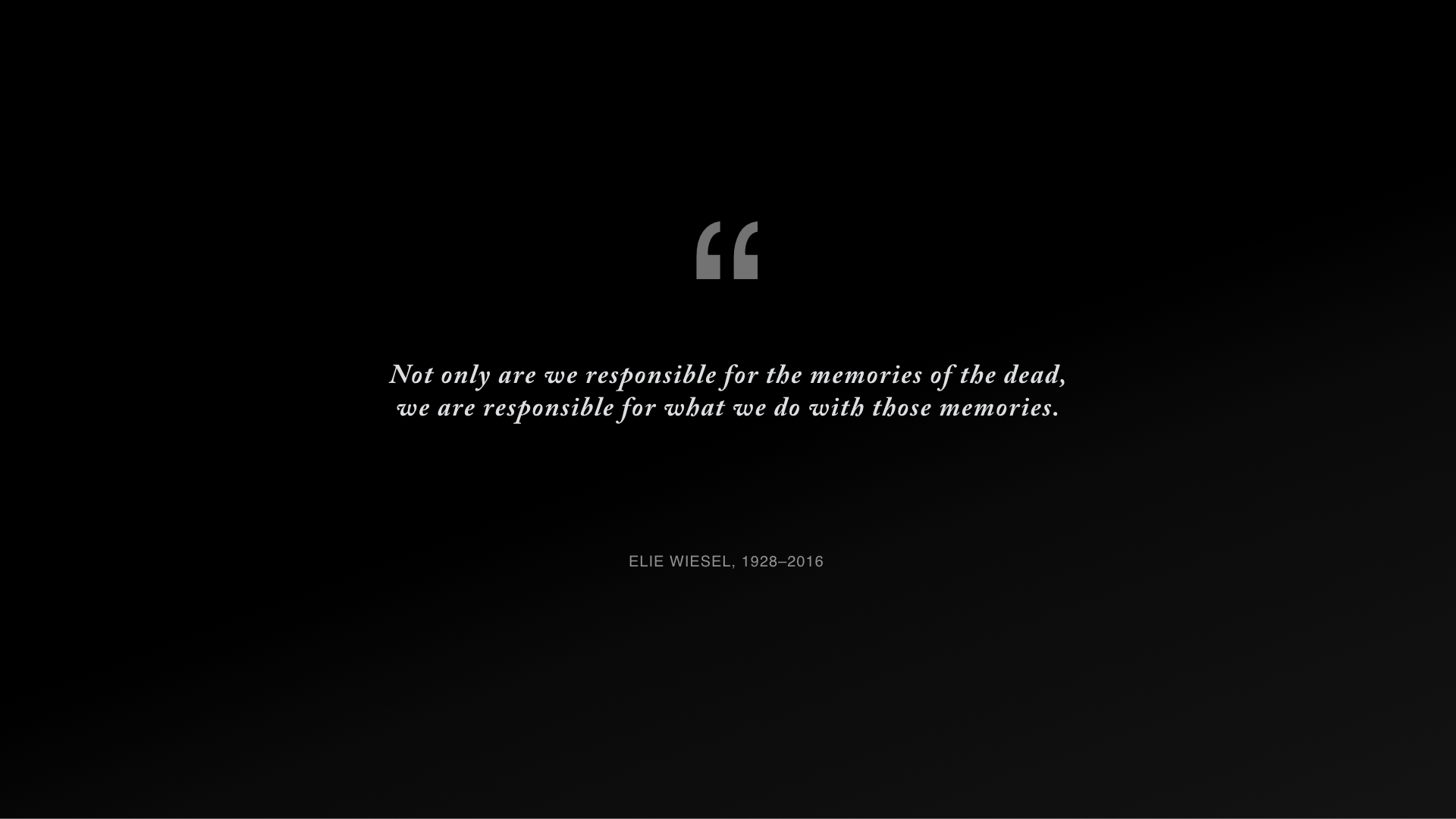
Eighteen, the number itself, was a choice. In Hebrew it’s the word chai, life, and for an archive built so something is never forgotten, that wasn’t a coincidence we let pass by.
The work was presented to the Institute’s global board of directors, and the relationship continued well past that meeting, the Institute kept bringing the team back for more. For a mission-driven organization without the budget to build everything at once, that ongoing trust was the real proof: the thinking itself had moved something forward.