Capabilities
- Vision & Strategy
- Executive Alignment
- Cross-Functional Leadership
- Team Leadership
- Stakeholder Management
- Creative Direction
Looking Past the Core Audience
Ancestry had built one of the most remarkable consumer products of its generation. Hundreds of millions of historical records, a vast DNA network, a loyal base of dedicated researchers. And a ceiling. The core audience — retirees with time, disposable income, and a tolerance for meticulous archival work — was never going to grow dramatically. Leading the New Products and Innovation team, I was brought in to find out who came next.
The risk wasn’t moving too slowly. It was building something that felt like Ancestry to people who had never wanted Ancestry.
The world had moved on
Ancestry had built one of the most remarkable consumer products of its generation. Hundreds of millions of historical records, a vast DNA network, a loyal base of dedicated researchers. And a ceiling. The core audience, retirees with time, disposable income, and a tolerance for meticulous archival work, was never going to grow dramatically. The opportunity wasn’t to give existing customers more to do. It was to find the people who weren’t Ancestry customers yet and build something worthy of bringing them in. Leading the New Products and Innovation team, that was the assignment.
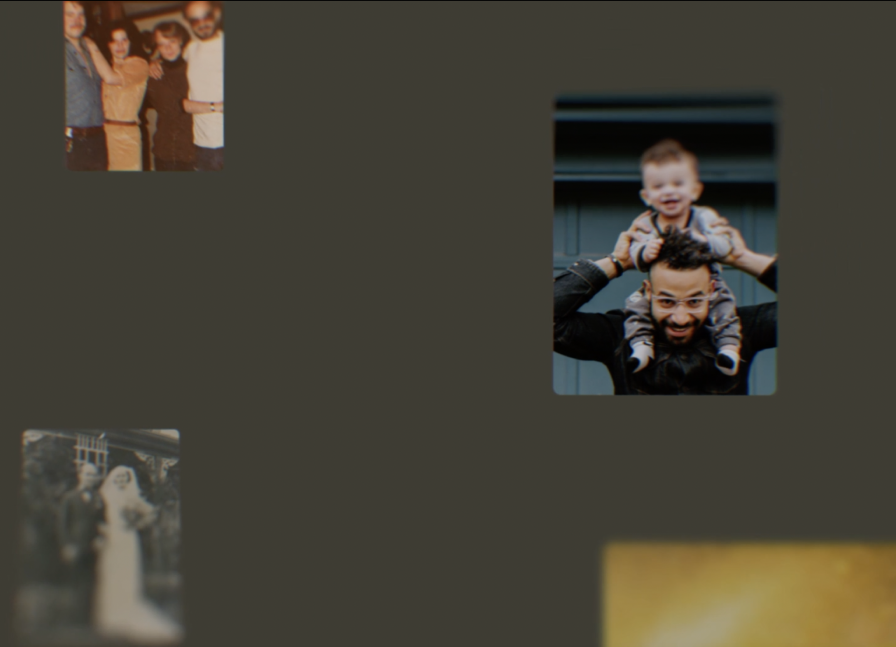

Concept: StoryStream
Stories worth keeping
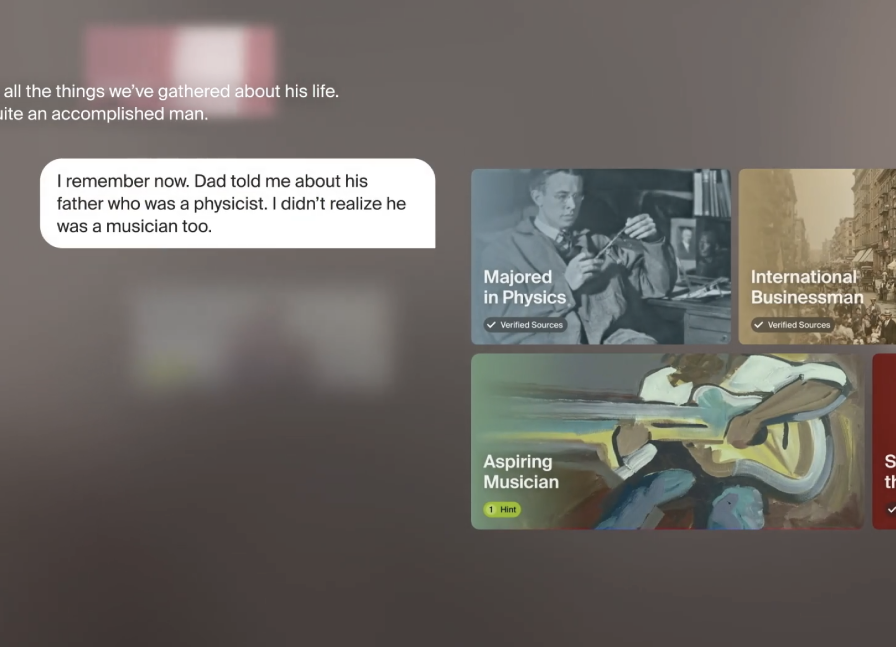
Family storytelling hadn’t meaningfully evolved in decades, even as the technology around it changed completely. Families were losing stories, not because they didn’t care, but because the tools weren’t built for the job. Everyday moments, handwritten recipes, family artifacts, the smaller things that don’t make it into reunion photos, all of it slipping away without a place to land.
What research made clear was that people didn’t just want to capture memories. They wanted to craft them. Context and intention can turn an ordinary moment into something worth passing down. StoryStream was the answer: a platform for real family stories, built around tools to capture, craft, and share across a diverse range of storytelling styles. Families could collaborate, contribute, keep things private or open them to the world.
The strategic insight underneath it mattered as much as the product itself. Ancestry could shift from relying solely on expensive, finite historical records toward an ever-growing stream of user-generated content, stories people know right now, documented in a way that’s fun, shareable, and open to the whole family. That’s a platform transformation, not a feature addition.
Concept: Reunion
Where families actually connect
No platform had solved private family connection. Existing platforms chose scale over intimacy, and families paid the price. A new baby announcement has no business living in the same feed as global news, and group chats scattered across WhatsApp, iMessage, and Facebook couldn’t hold a family together across generations.
Reunion was Ancestry’s answer: a private family social network where posts, shared albums, group chat, and event planning lived together in one place, designed for everyone from grandparents to kids. Privacy wasn’t a feature, it was the whole point.
It was also how Ancestry grows. No other company had earned the right to build it.
What never shipped still changed everything that followed
The work never shipped, but it landed. Concepts from both StoryStream and Reunion moved directly into the core product roadmap, inspiring a shift that had been building inside Ancestry for years: from a product built for solo researchers to one the whole family could participate in together. That’s a fundamental transformation in what Ancestry is for. This work helped make the case for it.