Capabilities
- Vision & Strategy
- AI Product Design
- Prompt Engineering
- Responsible AI
- Creative Direction
- Team Leadership
- Executive Presentation
- Stakeholder Management
- Visual Storytelling
Ancestry had 70 billion records and a mandate to make them feel human.
Ancestry’s archive is the largest of its kind in the world. Births, deaths, marriages, census records, ship manifests — the facts of billions of lives, meticulously preserved. But facts aren’t stories. And for a new generation of users who wanted to feel connected to their history rather than research it, the existing experience wasn’t built for them.
Leadership wanted to explore what AI could unlock without disrupting the core business. I built the practice that answered that question — a small founding team of a product manager, an engineer, and a close partnership with data science — running three independent proof of concepts to define what an AI-native Ancestry experience could actually look like.
Trust & Safety: Responsible by design
Trust & Safety: Responsible by design
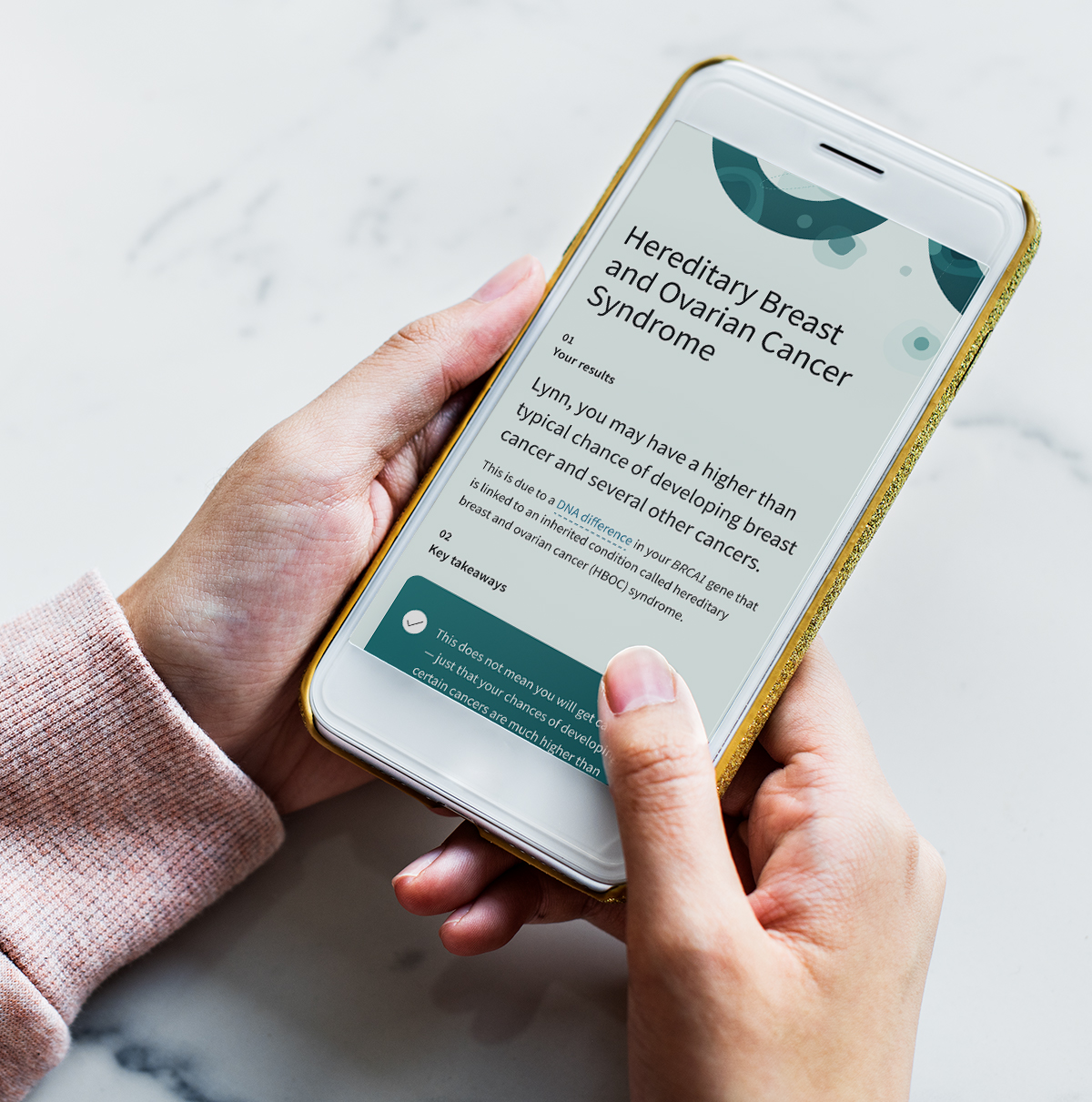
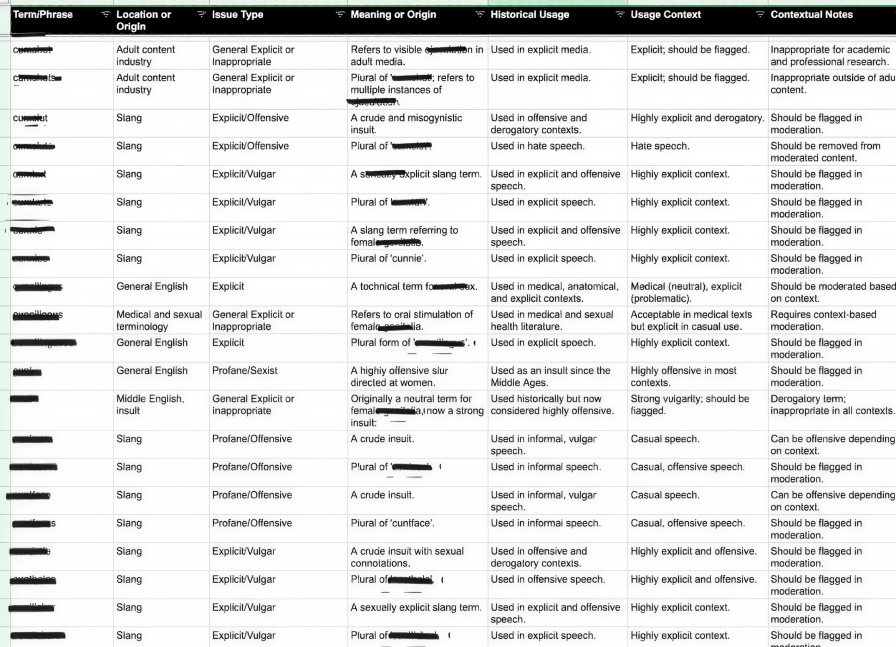
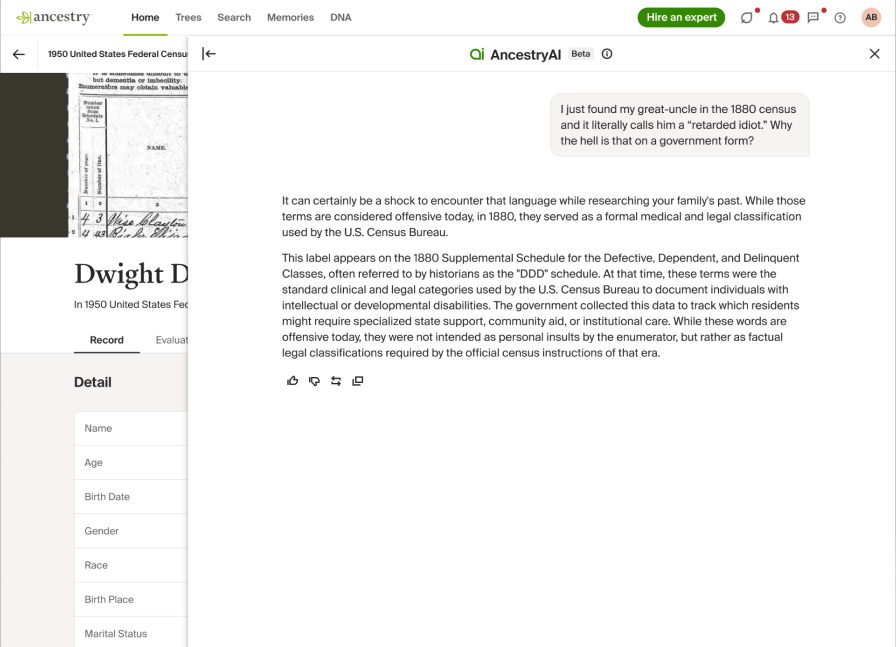
Building AI on top of a historical archive isn’t just a technical challenge. It’s an ethical one. Ancestry’s records contain language that was acceptable at the time but harmful by today’s standards. I built a taxonomy and scoring framework that teaches the system to distinguish between a historical classification and a slur, preserving the integrity of the record without repeating its worst language.
The second problem was external. Bad actors would deliberately input offensive language hoping to provoke the AI into responding in kind. I built an evaluation agent that triages inputs in real time, identifying and redirecting harmful prompts before they could corrupt the experience.
Getting this wrong would have been more than a PR problem. It would have undermined the trust that makes Ancestry’s archive meaningful in the first place.
AI Stories: From record to story
Where Families Actually Connect
A census record tells you where your great-grandmother lived in 1920. It doesn’t tell you what that town was like, what the economy was doing, or what it felt like to be a young immigrant woman in that moment. That context is what transforms a data point into a person. Into your person.
Working closely with the data science team, I built the prompting framework that made that possible. By drawing on Gemini’s knowledge base and layering it against individual records, the AI could place an ancestor in their world rather than just their file. A ship manifest becomes a scene: a 13-year-old girl, four feet seven inches tall, brown hair, brown eyes, preparing to board a steamship. The record had the facts. The AI found the world around them.
AI Stories is now available on over 9.8 billion records.
AI Video Stories: History worth sharing
Where families actually connect
AI video generation was advancing faster than most product teams were moving. Quality rising. Costs falling. The window to start learning before the economics made it obvious was closing fast.
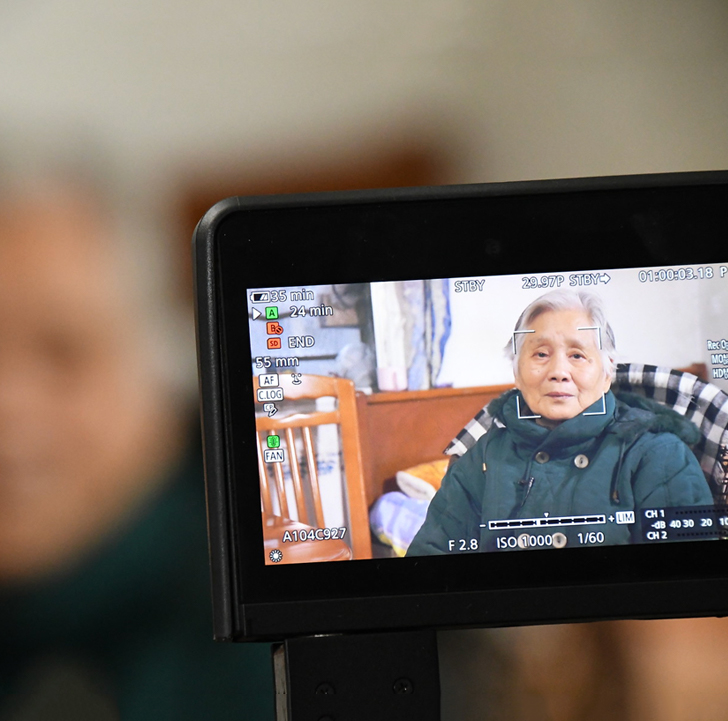
Working across nearly a dozen AI tools and models, I led a small team, including a designer and motion graphics artist, to produce a short-form documentary from a single ship manifest and a 1910 census record. The script, art direction, audio, and sound were all AI-generated, upwards of 80% of the final content. We stitched it together by hand, partly because the editing tools didn’t exist yet, and partly because we wanted motion graphics and production values that AI will eventually deliver at scale but couldn’t yet.
The subject was Jakob Hochhauser, grandfather of Ancestry’s CEO. The video was made from two records: a ship manifest and a 1910 census. When Howard watched it, it brought his grandfather’s story to life in ways the records alone never could. That reaction became part of the case for where Ancestry was heading.
DeepRoots AI: A vision for what ancestry could become
Where families actually connect
Family history sparks curiosity. Legacy tools kill it. New users arrive not knowing what to search for, unable to interpret what they find, and left to piece together meaning alone. Too many walk away believing family history just isn’t for them.
DeepRoots AI was a vision for something different. Not an upgrade. A transformation. A conversational, AI-native platform where research feels intuitive, records feel human, and discovery feels personal. As you research, the AI draws stories out of the records in real time, enriching the experience with context and meaning rather than leaving users to find it themselves.
Working with the same small team behind the AI video work, I built the strategic framework and produced a sizzle reel that brought the vision to life. It was shared with Ancestry’s board, senior leadership, and across the company. The response was equal parts excitement and honesty about the commitment required to get there. For an incubation team, that’s exactly the right outcome.
The work was lean. The results weren't.
When the right entry points were turned on and customer expectations were appropriately set, AI Stories saw a 500% increase in story and deep dive views, a 30% lift in overall user engagement, and a 100% increase in storytelling success rates.
The other projects were proof of concepts by design. Their job wasn’t to ship. It was to show what was possible and define the direction. On that measure, they delivered. Today, Howard Hochhauser demos AI Stories in major press interviews as the centerpiece of Ancestry’s AI strategy. The CTO speaks publicly about the same responsible AI principles built into this work from the start. The incubation didn’t just produce features. It produced a point of view that the company adopted.